
Your local service guide
Good people. Practical solutions.
Plumbing problems rarely arrive one at a time. A water heater that is struggling, a drain that slows down more often, or a fixture that starts to leak can point to larger maintenance needs elsewhere in the home. In Surprise, AZ, it helps to sort problems by urgency first, then by the system they affect, so you can make a calm, informed decision about next steps.
Goodfellas Plumbing serves residential and commercial customers across the Phoenix metro with emergency phone support and clear repair options presented before approved work. This guide focuses on homeowner decisions: when a problem needs immediate attention, how to separate treatment needs from water-heater care, and what to expect from a service visit without turning simple questions into guesswork.
When a plumbing problem needs urgent triage
Not every plumbing issue is an emergency, but some deserve immediate attention because they can create fast damage or a safety concern. A burst pipe, a fixture that will not stop running, sewage backing up, or a water heater that is leaking onto the floor all call for quick action. If you suspect a gas leak near a gas water heater or appliance, leave the area and call emergency services or the gas utility from a safe location rather than waiting for a plumbing callback.
For lesser but still important issues, triage means limiting damage while you wait for help. Shut off water to the affected fixture or the home if you can do so safely, move stored items away from wet areas, and avoid using drains or fixtures that seem tied to the problem. If the issue affects only one sink, toilet, or appliance, that detail helps a plumber narrow the scope quickly.
The goal is not to diagnose everything yourself. It is to separate immediate risk from routine repair so the right system gets attention first. That makes the eventual visit faster, more focused, and less disruptive to the rest of the home.
- Call urgently for active flooding, sewage backup, or a leaking water heater.
- Leave and call emergency services or the gas utility if you suspect gas.
- Avoid using the affected fixture or drain until the problem is assessed.
Drain and sewer trouble: how to read the warning signs
Slow drains usually start as an annoyance, then become a pattern. If one sink is sluggish, the issue may be local to that fixture or trap. If several fixtures are draining slowly, gurgling, or backing up at the same time, the problem may be farther down the line in the branch drain or sewer. The difference matters because the fix should match the location of the restriction, not just the visible symptom.
A single clogged kitchen sink can point to food buildup, soap residue, or a disposal issue. A bathtub that drains slowly may have hair and debris collecting in the branch line. More widespread symptoms, such as a toilet that bubbles when another fixture drains, can suggest a more significant blockage. In those cases, a plumber may recommend drain cleaning or sewer-focused evaluation rather than treating each fixture separately.
Homeowners sometimes want the quickest possible answer, but drain problems are best handled by matching symptoms to the likely part of the system. That approach reduces repeat clogs and helps avoid unnecessary work on fixtures that are not actually the source of the problem.
- One fixture only often points to a local clog.
- Multiple fixtures acting up can suggest a deeper drain or sewer issue.
- Recurring clogs deserve a broader look, not just repeated spot clearing.
Leaks, pressure changes, and when repiping enters the conversation
A leak is not always obvious. Some start as a stain, a musty cabinet, or a pressure change at a single faucet. Others show up as a higher water bill, a damp wall, or a water meter that seems to move when no fixtures are in use. Leak detection is about finding the source before the damage spreads, especially when the visible wet area is far from the actual failure.
Pressure changes can tell you something too. If one fixture has weak flow while others seem normal, the problem may be isolated to that branch, aerator, shutoff valve, or supply line. If pressure feels inconsistent throughout the home, the issue may involve the main line, pressure-reducing components, or pipe conditions. Older or stressed piping does not automatically mean a full repipe is needed, but repeated leaks in different places can make a broader replacement worth discussing.
The best repair plan starts with the facts of the home, not a preset answer. A plumber may recommend a targeted repair, a section replacement, or a repipe only after looking at leak history, pipe material, access, and how widespread the symptoms are. That keeps the work proportional to the actual problem.
- Watch for hidden leaks in cabinets, walls, ceilings, and floors.
- Notice whether pressure changes affect one fixture or the whole home.
- Repeated leaks in different spots can justify a repipe discussion.
A clear next step
Not sure where to start?
Describe the symptoms. We’ll help you arrange the right visit.
Water heaters: maintenance, warning signs, and repair choices
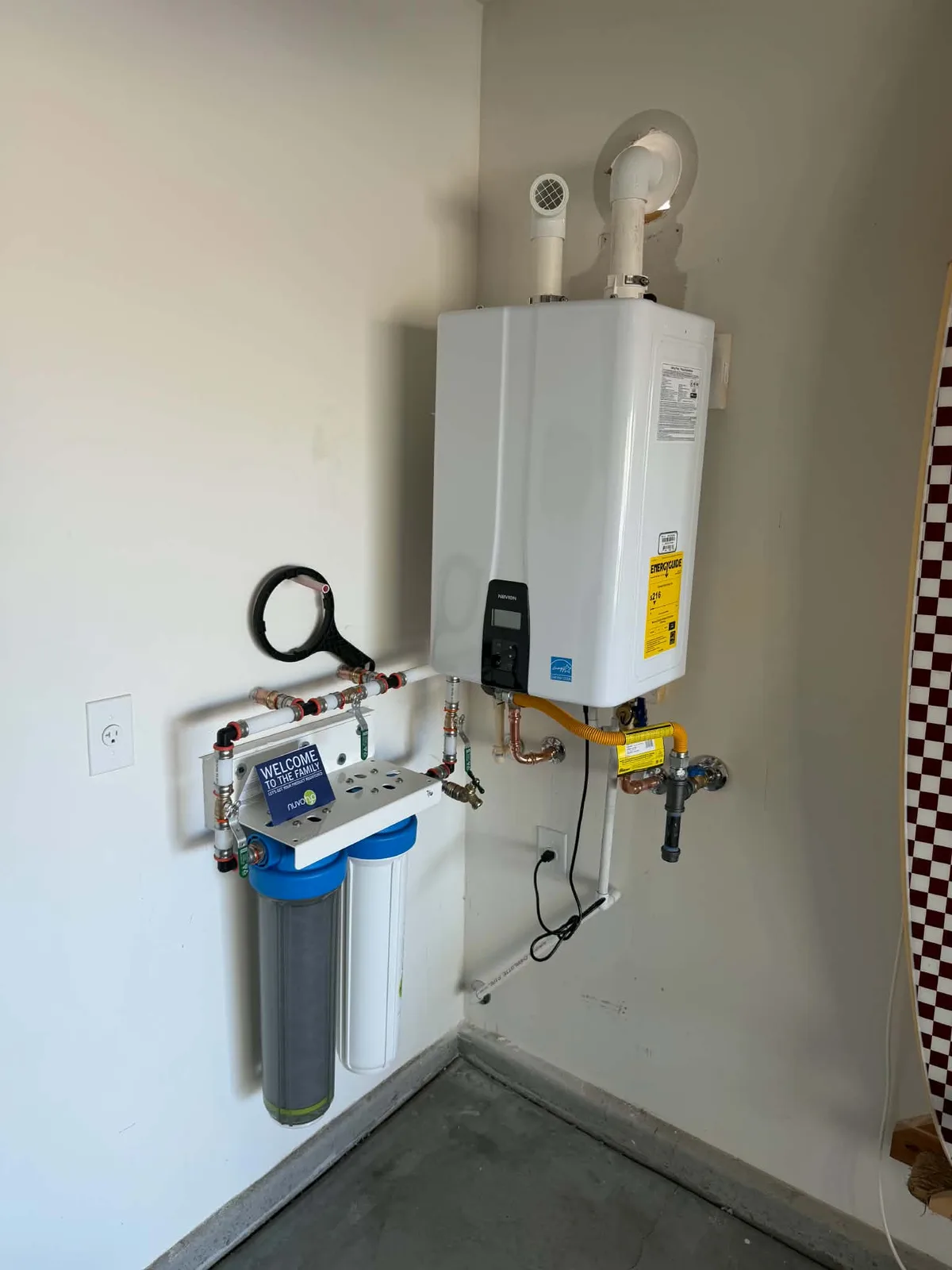
A water heater often gives subtle clues before it stops working completely. Water that is lukewarm, hot water that runs out too quickly, rumbling sounds, visible corrosion, or moisture around the tank all deserve attention. The type of heater matters, but so does age, usage, and the condition of the connected plumbing. A repair may be enough if the issue is isolated, while replacement becomes more likely when multiple components are worn or the tank is actively leaking.
It is tempting to connect water-heater problems directly to water quality, but the two are related in a limited way. Hardness or mineral content can influence sediment buildup and scale, yet that does not mean the home’s water is unsafe to drink. It does mean the heater may need more attention over time, especially if the home also has strain from frequent use or past repairs. Good maintenance planning keeps the heater and water treatment conversation separate while still recognizing how they affect one another.
If you are deciding between repair and replacement, ask for the visible condition, the likely source of the failure, and the scope of work needed. A clear explanation helps homeowners compare options without rushing into a full replacement when the problem is more specific.
- Watch for inconsistent hot water, rust, moisture, or unusual noises.
- Sediment and scale can affect heater performance without making water unsafe.
- Ask for the cause, not just the symptom, before choosing repair or replacement.
Filtering, softening, and reverse osmosis without mixing up the jobs
Water treatment works best when each system is chosen for a specific purpose. Filtration is generally used to reduce certain particles, tastes, or odors depending on the media and setup. Softening is different: it is designed to address hardness minerals that can contribute to scaling and soap performance. Reverse osmosis provides another layer of treatment at a dedicated point of use, often for drinking or cooking water. These systems can complement one another, but they are not interchangeable.
That distinction matters in Surprise, because water conditions can vary by supplier and by property. The right first step is to check the actual utility report or test the home’s water rather than assume a single citywide condition applies to every house. Some homes may benefit most from a whole-home filter, some from softening, and some from a reverse osmosis system at the kitchen sink. Others may need a combination chosen for specific goals rather than a one-size-fits-all package.
Water heater maintenance and treatment planning should be discussed together because they interact, but not blended into one claim that solves everything. If a homeowner wants fewer scale-related maintenance concerns, that may lead to a softener discussion. If the focus is drinking water taste or point-of-use treatment, reverse osmosis may be more relevant. Clear goals lead to better equipment choices.
- Filtration, softening, and RO do different jobs.
- Check the actual utility report or test the water before choosing equipment.
- Match the system to the goal: scale reduction, taste, or point-of-use treatment.
Fixtures, kitchens, bathrooms, and remodel decisions
Fixture issues are often small on the surface but important in daily use. A toilet that keeps running, a faucet that drips, a sink that drains slowly, or a disposal that struggles can waste water, create noise, and make a room feel unfinished. When several fixtures are aging at once, it can make sense to compare repairs with replacement so you can choose the option that best fits the room’s condition and the household’s needs.
Kitchen and bathroom work also tends to reveal the condition of nearby plumbing. A planned remodel may uncover corroded shutoffs, undersized supply lines, or past patchwork repairs that should be addressed while the walls or cabinets are open. That does not mean every remodel turns into a full plumbing overhaul. It does mean the plumber should explain what is necessary for the new fixture to function correctly and what is optional.
For homeowners, the most useful advice is practical: ask which parts are worn, which are still serviceable, and what the repair will accomplish long term. That is especially helpful when comparing a simple fixture swap to broader updates such as supply-line adjustments or a bathroom remodel project.
- Running toilets, dripping faucets, and weak drains are worth addressing early.
- Open walls or cabinets can reveal hidden issues worth fixing while accessible.
- Ask which work is required and which is optional before remodeling.
What a plumbing service visit should feel like
A good service visit is organized, not mysterious. It usually starts with listening to the symptoms, inspecting the affected area, and tracing the problem to the most likely source. For many homeowners, the important part is not technical jargon but a straightforward explanation of what the plumber found and what can be done next. Goodfellas Plumbing emphasizes clear repair options and upfront scope before approved work, which helps you decide with the facts in hand.
That conversation matters because many plumbing problems have more than one reasonable fix. A toilet issue might be repairable with one part, or it may be better served by a more complete rebuild. A leak might be isolated to a valve, or it may signal broader pipe wear. When the plumber explains the options plainly, you can compare short-term and longer-term outcomes instead of guessing which path is safest or most practical.
If a repair will require access, disruption, or multiple steps, you should know that before work begins. Homeowners do not need a script or technical vocabulary to get good service. They need a plumber who can describe the issue, identify the likely solution, and get approval before proceeding.
- Expect an inspection, explanation, and approved scope before work starts.
- Multiple repair paths can be reasonable; clarity helps you choose.
- Ask what the repair solves now and what it does not address.
Maintenance that protects drains, fixtures, and water heaters
Routine maintenance is usually less dramatic than an emergency, but it does a lot of work behind the scenes. Monitoring under-sink areas for drips, checking shutoffs for ease of operation, and keeping an eye on drain performance can catch trouble early. Small changes often show up before major failures, and those early clues are the easiest and least disruptive time to act.
Water heaters benefit from the same mindset. Instead of waiting for a cold shower or a leak, homeowners can watch for noise, rust, and uneven hot water delivery. If the home uses a treatment system, it should be maintained according to the equipment and the household’s actual water needs. The point is not to create more chores; it is to keep separate systems in good order so they support one another rather than compete for attention.
For many homes, the smartest maintenance plan is simple: pay attention to changes, address small leaks early, and revisit treatment choices when water quality concerns or heater issues change. That way, maintenance is not a panic response. It is a way to keep plumbing predictable.
- Check under sinks and around fixtures for early signs of moisture.
- Track hot-water changes, unusual noises, and recurring drain issues.
- Revisit treatment and heater needs when household demands change.
Helpful answers
Plumbing questions in Surprise
How do I tell if a drain problem is local or part of a bigger sewer issue?
If only one sink, tub, or toilet is slow, the problem is often local to that fixture or its branch line. If several fixtures are affected, or if you hear gurgling and see water back up in different places, the issue may be farther down the system. A plumber can trace the symptoms and recommend drain cleaning or sewer evaluation based on what is actually happening.
Should I choose filtration, softening, or reverse osmosis for my home?
Each system does a different job. Filtration is for certain particles, tastes, or odors depending on the setup. Softening is for hardness minerals that can contribute to scaling. Reverse osmosis is usually a point-of-use option for drinking or cooking water. The best choice depends on your water report or testing, plus whether your goal is scale reduction, taste improvement, or both.
Can water heater problems be caused by hard water?
Hardness can contribute to sediment or scale buildup that affects performance over time, but it does not automatically mean the water is unsafe to drink. A heater that is noisy, slow, or leaking still needs a direct diagnosis. In many homes, the right answer is a combination of heater maintenance and a treatment plan chosen for the home’s actual water conditions.
What should I expect when a plumber comes to my home?
Expect an inspection of the problem area, an explanation of what the plumber found, and clear repair options before work begins. That may include a targeted repair, a larger component replacement, or discussion of whether a broader issue is developing. Good service is about understanding the scope first so you can approve the work with confidence and no surprises.
Where we work
Serving Surprise and the Phoenix Metro
Goodfellas Plumbing provides service at customer properties. Contact us with your street address, the plumbing issue and any access instructions so we can confirm availability. The geographic reference below represents an area we serve, not a walk-in office or a guaranteed response radius.
More service guides in Arizona
Local reference information
Public references provide geographic or regional water context; they do not imply endorsement of Goodfellas Plumbing.

