
Your local service guide
Good people. Practical solutions.
Recurring kitchen and bathroom drain problems are frustrating because they rarely stay simple. A sink that slows down, a tub that gurgles, or a toilet that backs up again after a quick fix usually points to a bigger pattern somewhere in the branch line, the fixture, or the main drain path. The goal is not just to get water moving today, but to understand why the same symptom keeps returning.
This guide is built for Avondale homeowners who want to sort out the likely cause before calling for service and to make the visit more productive once help is on the way. Goodfellas Plumbing serves the Phoenix metro with residential and commercial plumbing, including 24/7 emergency phone support. Availability is confirmed by phone, and repair options should be discussed with a clear scope before work is approved.
When a drain problem becomes urgent
A recurring clog is inconvenient; a drain issue that affects several fixtures at once can be a warning sign. If a kitchen sink, nearby tub, and hallway bathroom all begin draining slowly together, the problem may be beyond a single trap or branch line. Backups that rise into lower fixtures, strong sewer odors, or waste appearing where it should not are all reasons to pause normal use and get professional help. The same is true when water keeps returning after you clear the visible opening, because the real blockage may be farther down the system.
The most useful step before calling is to note what changed and when. Write down which fixture was first, whether the issue is constant or intermittent, and whether anything happened shortly before the symptom started, such as a heavy laundry day, a large cooking cleanup, or a guest bath being used more than usual. That timeline helps a plumber decide whether to focus on a localized stoppage, a venting concern, or a larger sewer-side issue.
- Stop using affected fixtures if water is backing up elsewhere.
- Note odors, gurgling, overflow points, and the order symptoms appeared.
- If you suspect a gas leak, leave the area and call emergency services or the gas utility from a safe location.
Read the symptom pattern before the blockage gets worse
The difference between a one-time clog and a recurring plumbing pattern matters. A kitchen sink that slows after greasy dishwater may point to buildup in the branch line, while a bathroom sink that clears only to clog again could involve hair, soap residue, or a partial obstruction farther downstream. When both kitchen and bathroom drains act up, the connection may be less about the fixture itself and more about how wastewater is traveling through the home.
A symptom timeline gives your plumber a head start. Simple details are enough: which faucet or drain first showed trouble, whether the flow was gradually slower over days or suddenly stopped, and whether the problem improves when only one fixture is used. If you already tried a plunger or a basket screen, mention that too. Those details help separate repeatable patterns from isolated events and can make the diagnostic visit more efficient without guessing.
Use these notes when you call:
- First noticed date and time.
- Exact fixtures affected and whether other drains changed too.
- Any recent remodel, appliance change, or unusual use pattern.
Kitchen and bathroom drains can point to a larger line problem
When recurring clogs keep coming back in more than one room, the issue may lie in the piping that connects the fixtures rather than the fixtures themselves. A partial obstruction in a branch line can slow a single sink. A blockage, root intrusion, or damaged section in a main drain or sewer line can create more widespread symptoms, including gurgling, frequent toilet trouble, or backups that show up in the lowest fixture first. That is why a pattern across rooms deserves a wider look.
Homeowners do not need to diagnose the line themselves, but it helps to know what information supports that decision. If a toilet bubbles when a nearby sink drains, or if water movement changes when more than one fixture is used, those are useful observations to share. The same goes for repeated problems after surface-level cleaning, because a recurring backup can mean the pipe is constricted somewhere beyond the part you can see.
A plumber may recommend focused cleaning or a sewer-side evaluation based on the symptom pattern.
- Keep track of which fixtures affect each other.
- Mention whether the problem changes with heavy water use.
- Save notes from any previous service or temporary relief.
A clear next step
Not sure where to start?
Describe the symptoms. We’ll help you arrange the right visit.
Leaks, pressure changes, and when piping deserves a closer look
Not every plumbing concern starts with a drain. A sink cabinet that smells musty, a damp wall near a bathroom, or a faucet that suddenly loses pressure can indicate a supply-side issue or a hidden leak. These problems often show up indirectly: a floor feels soft, paint bubbles, or a cabinet bottom stays wet even when no one has used the fixture recently. Because supply leaks can waste water quietly, the symptoms are worth documenting as soon as they appear.
Water pressure changes also matter. If pressure drops in one room only, the fixture itself may be the issue. If multiple fixtures change together, a larger supply line problem is more likely. In some homes, repeated repairs on older piping may lead to a repipe discussion, especially when small leaks and pressure concerns become a regular pattern rather than an isolated event. That decision should be based on inspection, visible condition, and a practical repair plan, not on guesswork.
When you schedule service, describe the exact location and the timing of the symptom.
- Note damp spots, staining, or sounds of running water.
- Say whether the pressure change affects one fixture or several.
- Keep access clear under sinks and around suspected leak areas.
Hot water problems that need more than a reset
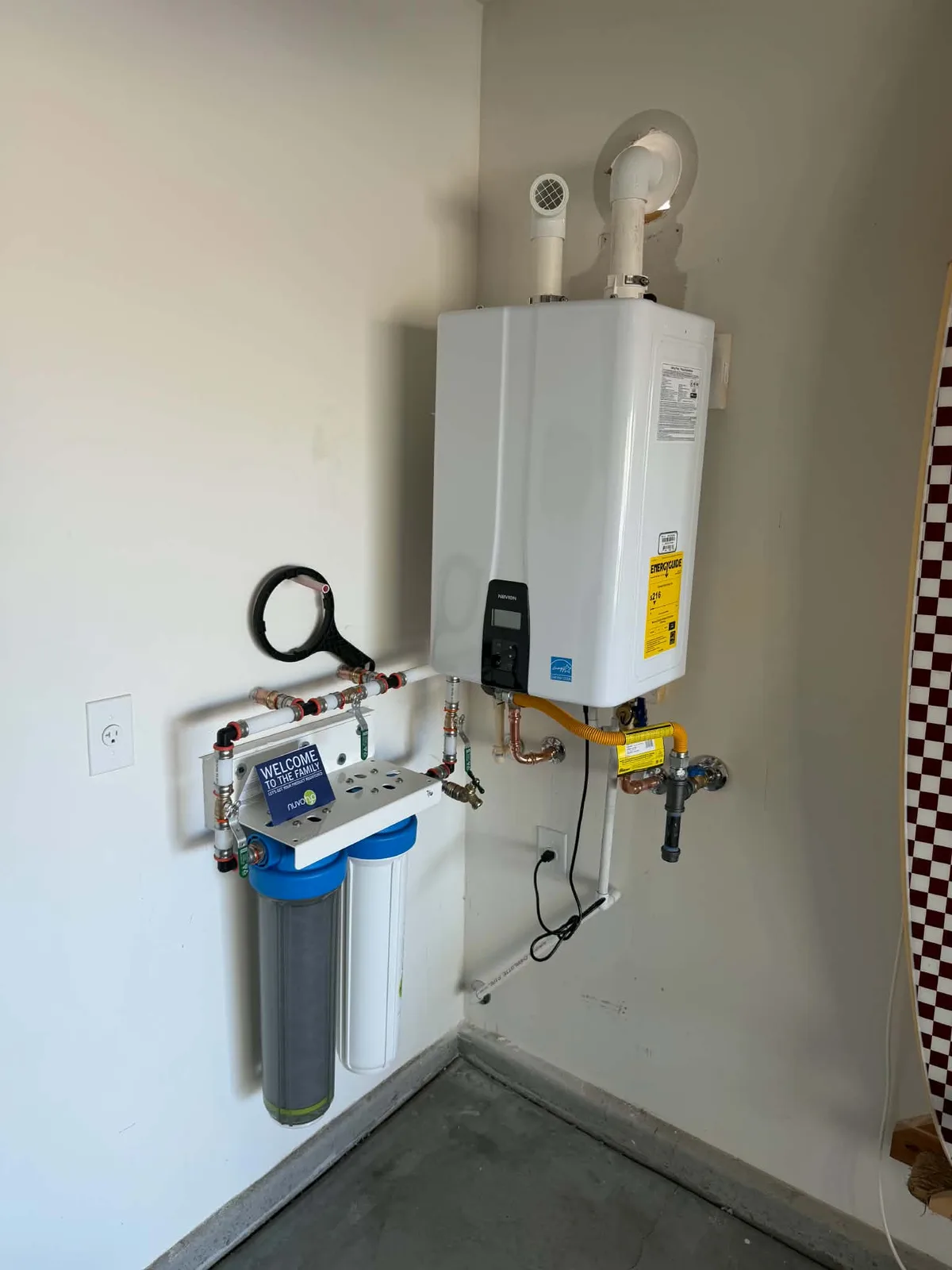
Hot water complaints often seem separate from kitchen or bathroom drain issues, but they can affect how homeowners use those rooms day to day. If water takes much longer to heat, runs out sooner than expected, or changes temperature during normal use, the water heater may need service. Rust-colored water, unusual noises, or moisture around the unit are also worth reporting, because those symptoms can point to wear, sediment, or a failing component.
It helps to know when the problem happens. Does it affect every hot tap or only one bathroom? Does the temperature drop after a long shower or during dishwashing? Is the issue constant, or does it return after periods of little use? Those details help narrow the cause and avoid treating every hot-water complaint as the same problem. A homeowner should not assume the issue is fixed just because hot water returns once; recurring symptoms deserve a real look.
Bring up the relationship between hot water and drain use if both have changed around the same time.
- Share whether the issue is at one fixture or throughout the home.
- Note any sounds, discoloration, or moisture near the heater.
- Describe the first day you noticed the change.
Filtration, softening, and reverse osmosis without overpromising
Questions about water quality usually come up after homeowners notice scale on fixtures, dry-feeling dishes, or a taste they want to improve. It is better to work from the actual water report or a home test than to assume a citywide condition. Water can vary by supplier and property, so the right solution depends on what is in your specific home’s water and what you want to improve. That keeps expectations realistic and the equipment sized to the problem.
Filtration, softening, and reverse osmosis serve different purposes. A filtration system is often chosen to reduce certain particles or improve taste and odor. A softener is used for hardness-related scaling concerns, if that is confirmed for the property. Reverse osmosis is typically selected when homeowners want targeted drinking-water treatment at a point of use. None of these should be treated as a cure-all; the best fit depends on the goal, the plumbing layout, and how much maintenance the household is willing to take on.
Ask for a plain explanation of the options before choosing.
- Confirm what the water report or test actually shows.
- Ask which fixtures or appliances the system would serve.
- Discuss ongoing maintenance and filter replacement needs.
Fixture repairs and remodel choices that reduce repeat problems
If a kitchen sink or bathroom fixture keeps causing trouble, the fixture design and installation details may be part of the story. Loose parts, worn seals, failing supply connections, or an awkward drain configuration can turn a small nuisance into a recurring call. In bathrooms, toilets with repeated performance issues may need repair rather than repeated clearing. In kitchens, sink and disposal setups can influence how quickly solids move through the drain path.
Remodel work is another chance to solve a pattern instead of covering it up. During a bathroom or kitchen update, a plumber can help plan fixture placement, drainage, and supply routing so the finished space is easier to use and service. The key is to discuss the symptoms, not just the appearance. If a cabinet has been repeatedly opened for access, or if one sink always seems to clog first, that information can guide better choices for replacement parts and layout details.
Examples of helpful questions to bring to a repair or remodel conversation:
- Is the issue in the fixture, the connection, or the line beyond it?
- Would repair be sensible, or is replacement the better long-term choice?
- Will the new setup make future service access easier?
How to prepare for a more efficient service visit
A good plumbing visit starts before the technician arrives. The most useful preparation is access and information. Clear the area under sinks, move stored items away from the water heater or suspect leak, and make sure any locked gates, side entries, or utility areas can be reached. If the issue is intermittent, try to be present when it usually appears, or leave notes that show the pattern. That lets the plumber inspect the problem when it is most visible instead of after it temporarily calms down.
You also have more control when the work begins with a clear scope. Ask for the repair options, what each one addresses, and what the next step would be if the first choice does not solve the issue. That conversation should happen before approved work proceeds. A straightforward explanation is especially helpful with recurring drain problems, because the goal is to fix the underlying cause and not just the current symptom. If access is difficult, say so early; it can affect the inspection plan and the time needed on site.
Prepare these items if you can:
- A symptom timeline with dates, rooms, and changes.
- Clear access to sinks, toilets, laundry areas, and heater space.
- Any photos or notes from previous repairs.
Maintenance that reduces repeat clogs and surprise callbacks
Good maintenance does not eliminate every plumbing problem, but it can reduce how often kitchen and bathroom drains become a repeat nuisance. The most useful habit is paying attention to changes early. A sink that drains a little slower this week is often easier to address than one that backs up after a weekend of use. Early observation also gives you a better symptom timeline if you later need service.
Homeowners can also make the access side of maintenance easier. Keep under-sink areas organized, avoid blocking cleanout points, and save a basic record of previous plumbing work so the next plumber knows what was already tried. If your home has recurring issues in one bath or kitchen, it is worth paying attention to whether certain routines, fixtures, or times of day make the symptoms worse. That pattern can be as useful as the clog itself.
Maintenance is less about trying to fix everything yourself and more about keeping good information available.
- Watch for early signs: slow drain, gurgle, odor, or repeat backup.
- Keep service areas reachable and uncluttered.
- Save notes from each plumbing visit for future reference.
Helpful answers
Plumbing questions in Avondale
What details should I have ready before calling about a recurring drain problem?
The most helpful details are the first day you noticed the issue, which fixtures are involved, whether other drains change at the same time, and what happened just before the problem started. A clear symptom timeline helps the plumber decide whether the issue is isolated to one sink or toilet, or whether it may involve a larger branch or sewer line problem.
How do I know if a clog is only in the fixture or deeper in the system?
A single slow sink often suggests a local problem, while multiple slow or backing-up fixtures suggest something farther down the line. Gurgling, sewer odor, or repeated backups after temporary relief can also point beyond the visible trap or drain opening. You do not need to diagnose it yourself; just describe what each fixture is doing and when.
Should I choose filtration, softening, or reverse osmosis if I am concerned about water quality?
It depends on the actual water report or home test and on your goal. Filtration is often selected to address taste, odor, or certain particles. Softening is used when hardness-related scaling is confirmed. Reverse osmosis is usually chosen for targeted drinking-water treatment. The right answer is based on your specific water, not a citywide assumption.
What can I do to make a plumbing service visit go more smoothly?
Clear access to sinks, toilets, the water heater, and any likely leak areas before the appointment. Keep a short written timeline of symptoms, including when they started and how they changed. If you have photos or notes from prior work, have those ready too. Good access and clear information help the plumber inspect, explain options, and recommend the right repair path.
Where we work
Serving Avondale and the Phoenix Metro
Goodfellas Plumbing provides service at customer properties. Contact us with your street address, the plumbing issue and any access instructions so we can confirm availability. The geographic reference below represents an area we serve, not a walk-in office or a guaranteed response radius.
More service guides in Arizona
Local reference information
Public references provide geographic or regional water context; they do not imply endorsement of Goodfellas Plumbing.

