
Your local service guide
Good people. Practical solutions.
Plumbing problems are easier to manage when you know what to check first, what can wait, and when to call for help. In Sun City, that often means finding the main shutoff quickly, looking for visible leaks, and deciding whether the issue is isolated to one fixture or affecting the whole property. Clear priorities matter more than guesswork.
Goodfellas Plumbing serves the Phoenix metro and works on residential and commercial plumbing, including 24/7 emergency phone support. The approach is practical: understand the symptom, explain repair options, and confirm the scope before approved work begins. This guide focuses on the most common plumbing decisions homeowners face, with an emphasis on accessible shutoffs and low-maintenance fixtures.
When a plumbing problem starts suddenly
A sudden plumbing issue is usually less about fixing everything at once and more about reducing damage. If water is actively escaping, the first priority is to stop the flow from a safe location. Knowing where the main shutoff is located, and whether individual fixture valves work, can make a major difference before a plumber arrives. If the problem is limited to one sink, toilet, or appliance, isolating that fixture may prevent a larger interruption to the home.
Not every emergency is visible. A ceiling stain, a warm floor in one area, or a drop in water pressure can point to a concealed leak or a pipe issue behind a wall. In those cases, avoid repeated trial-and-error that can create more damage. The most useful information to gather is simple: where the issue is, when it began, and whether it changes when no fixtures are in use. That helps the plumber narrow the cause faster.
If you suspect a gas leak near a water heater or appliance, leave the area and call emergency services or the gas utility from a safe location. Do not wait for a plumbing callback before taking that step.
- Find the main shutoff if water is actively escaping
- Note whether the issue affects one fixture or the whole property
- If gas is suspected, leave first and call from outside
Slow drains, stubborn clogs, and sewer concerns
Drain problems often begin as a nuisance and turn into a larger interruption if ignored. A sink that drains slowly, a toilet that backs up more often than it should, or multiple drains acting up at the same time can all point to more than a simple blockage. The location and pattern matter. One fixture acting up may be local to that branch line, while several fixtures can suggest a deeper line issue that needs professional evaluation.
Homeowners can usually observe a few useful clues without taking apart plumbing. Gurgling sounds, recurring standing water, or backups that show up after heavy use all help indicate whether the issue is isolated or systemwide. For sewer concerns, a plumber may recommend camera inspection or other diagnostics to see what is happening inside the line before deciding on the right repair path. That kind of assessment is often more useful than repeatedly clearing the same clog.
The goal is to solve the cause, not just the symptom. That may mean drain cleaning for a one-off blockage, or sewer-and-drain service if the line has buildup, a break, or recurring restriction. The best maintenance habit is to avoid treating every slow drain as identical; a kitchen sink, shower, and main line each behave differently and deserve a different approach.
- Repeating clogs deserve a closer look than a single blockage
- Multiple slow fixtures can point to a larger line issue
- Camera inspection can help identify the cause before repairs
Leaks, pressure changes, and aging supply lines
Leaks are not always dramatic. A cabinet floor that stays damp, a small stain on drywall, or a meter that suggests water use when nothing is running can all signal a hidden problem. Homeowners benefit from watching for changes over time, not just obvious drips. If a fixture is loose, noisy, or suddenly harder to operate, that can also be a clue that a seal, valve, or line connection needs attention before the problem grows.
Pressure changes deserve attention too. Low pressure at one fixture often points to a local issue such as a clogged aerator or a valve problem, while pressure changes throughout the property may suggest a broader supply concern or pipe restriction. A plumber can test the system, isolate sections, and recommend repairs based on what is actually happening rather than on a guess. That is especially important when the home has older lines or a patchwork of previous repairs.
In some properties, repiping becomes the more practical long-term option. That does not mean every old pipe needs replacement; it means the system should be evaluated for leak history, material condition, and how often the homeowner is dealing with repeat failures. A thoughtful repipe plan focuses on reliability and future maintenance, not just replacing what failed last week.
- Watch for unexplained moisture, sounds, or meter movement
- Note whether pressure issues affect one fixture or the whole property
- Repeat leak patterns may justify a repipe conversation
A clear next step
Not sure where to start?
Describe the symptoms. We’ll help you arrange the right visit.
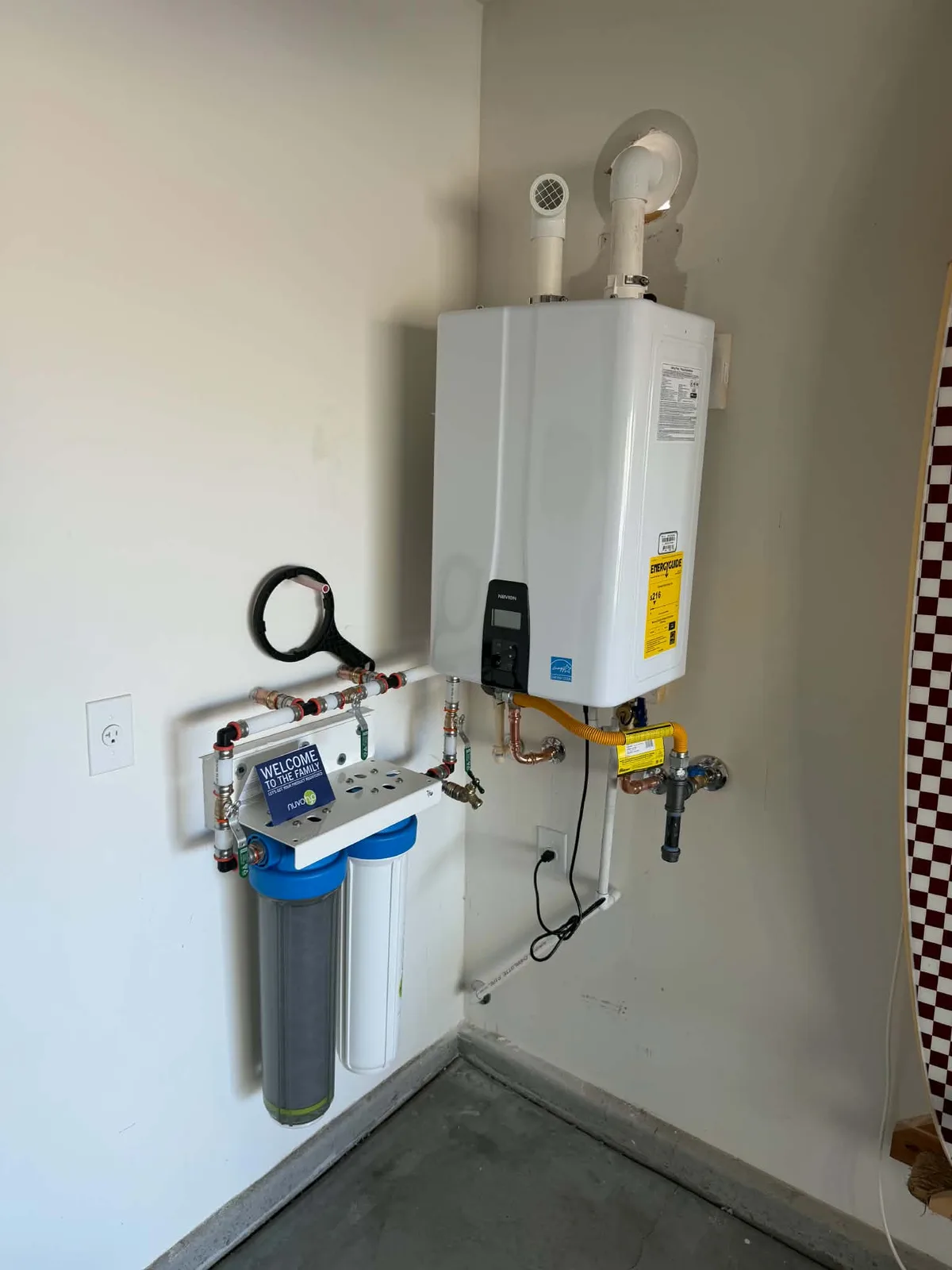
Water heater problems without the guesswork
Hot water issues usually show up in one of a few ways: water that is not as hot as expected, runs out sooner than it used to, makes unusual noises, or changes temperature unpredictably. Those symptoms can come from the heater itself, from a valve issue, or from sediment and control problems inside the unit. A homeowner does not need to diagnose the exact cause to know it is worth a professional look, especially if the change is sudden.
The right response depends on the age and condition of the heater, the symptoms, and whether the unit is serving the whole property consistently. Sometimes a repair restores performance; other times replacement makes more sense if the system is nearing the end of its useful life or has repeated issues. The value of service is in comparing those options clearly, not defaulting to the largest job or the smallest one. Goodfellas Plumbing provides clear repair options and upfront scope before approved work begins.
For households that want fewer surprises, it helps to think about access and maintenance when selecting or servicing a heater. A unit that is easy to reach, inspect, and isolate tends to be easier to live with. That matters as much as capacity when the goal is dependable hot water and simple upkeep.
- Sudden temperature changes deserve prompt attention
- Noises or shorter hot-water supply can signal internal issues
- Clear repair-versus-replace options are part of a good visit
Filtration, softening, and reverse osmosis as comfort upgrades
Water treatment is best approached as a property-specific decision, not a one-size-fits-all answer. Water conditions can vary by supplier and by the home itself, so the most useful first step is to check the actual utility report or test the water rather than assuming a citywide hardness level. That keeps the conversation grounded in what the household actually experiences, such as taste, scale on fixtures, mineral residue, or concerns about a particular appliance.
Some homeowners want treatment for taste and convenience, while others want to reduce buildup on fixtures, glass, or equipment. Filtration, softening, and reverse osmosis solve different problems, so choosing the right system matters. A filtration setup may improve taste or reduce sediment, while softening targets mineral scale and reverse osmosis is usually selected for drinking water at a specific tap. The best system is the one matched to the use, the plumbing layout, and the maintenance the homeowner is willing to keep up with.
Maintenance should be part of the decision from day one. Easy-to-change cartridges, clear labels, and a location that allows simple service make the system more likely to be used correctly over time. That is especially important for homeowners who want clean results without creating a complicated new chore.
- Check actual water information before choosing a system
- Match the system to the specific problem you want to solve
- Prioritize easy service access and clear filter changes
Fixtures that are easier to use and easier to live with
Fixture work is about more than appearance. A faucet with smooth controls, a toilet that shuts off predictably, or a sink that drains and cleans easily can reduce day-to-day frustration. When planning repairs or updates, it helps to think about how the fixture will be used, cleaned, and serviced over time. Good plumbing design should support simple operation, not create extra steps every time someone washes hands or shuts off water.
Accessible shutoffs are a big part of that idea. If a fixture can be isolated quickly, a small problem stays small. That is useful under sinks, behind toilets, and near appliances, where a valve that is easy to reach can save time and damage later. Remodeling decisions should also consider how often a part will need replacement and whether future service will be straightforward. Hard-to-reach plumbing may look tidy, but it can make routine maintenance needlessly difficult.
Kitchen and bath updates often go better when plumbing is planned around cleaning habits and access. A remodel does not need to be elaborate to be effective; it just needs to make the room easier to use and easier to maintain. That can mean better fixture placement, improved shutoff access, or plumbing choices that support long-term reliability.
- Choose fixtures with simple controls and easy cleaning
- Make shutoffs accessible where service is likely to be needed
- Plan updates around maintenance, not just appearance
What to expect during a service call
A useful plumbing visit starts with a clear description of the problem and ends with a clear explanation of the options. Goodfellas Plumbing works on residential and commercial plumbing in the Phoenix metro, and the process is built around understanding the issue first. That usually means listening to the symptoms, checking the affected area, and then determining whether the problem is limited, recurring, or part of a larger system concern. The point is to avoid unnecessary work while still addressing the real cause.
Before approved work begins, homeowners should expect the plumber to explain the scope in plain language. That includes what needs to be repaired, what the likely options are, and what each option is meant to accomplish. If the job involves multiple possibilities, a homeowner should feel comfortable asking which repair is the shortest path to restoring function and which one better supports long-term reliability. Clear communication matters as much as the wrench work.
For properties in Sun City, that often means the visit focuses on practical access and serviceability. A good outcome is not only that the immediate problem is fixed, but that the homeowner understands the shutoff points, the vulnerable parts of the system, and what to watch next time. That makes future issues easier to manage.
- Expect diagnosis before any approved work starts
- Ask how each repair option changes short-term and long-term outcomes
- Keep a note of shutoffs, access points, and recurring symptoms
Simple maintenance that prevents bigger plumbing headaches
The best plumbing maintenance is usually the kind that fits into ordinary routines. Watching for slow changes, testing shutoffs occasionally, and keeping storage clear around visible plumbing can make problems easier to catch early. Homeowners do not need a technical checklist to benefit from awareness. If a valve feels stiff, a fixture starts humming, or a drain begins to lag, those small changes are often worth a call before they become a larger interruption.
It also helps to think about the system as a whole rather than one fixture at a time. A kitchen sink, a toilet, a water heater, and a main shutoff all serve different roles, and each one benefits from being easy to reach and easy to service. When a home is set up with access in mind, repairs are simpler and routine upkeep is less stressful. That is one reason practical plumbing choices matter as much as cosmetic ones.
Good maintenance does not mean constant tinkering. It means knowing what belongs on a watch list: recurring clogs, unusual noises, moisture around fixtures, pressure changes, or a valve that no longer turns smoothly. Those are signs to bring in a professional before a small problem spreads to cabinets, walls, or flooring.
- Keep fixture areas clear enough for inspection and service
- Watch for small changes in sound, pressure, or moisture
- Address recurring symptoms early instead of waiting for failure
Helpful answers
Plumbing questions in Sun City
How do I know whether a plumbing issue is an emergency?
A plumbing issue is more urgent when water is actively escaping, a fixture will not stop running, several drains are backing up, or the problem threatens walls, flooring, or electrical areas. If you can safely isolate the water at a fixture or main shutoff, that is a good first step. If gas is suspected near an appliance, leave the area and call emergency services or the gas utility from a safe location.
What should I check before calling for drain help?
The most useful information is simple: which fixture is affected, whether more than one drain is involved, and whether the problem is new or recurring. A single slow sink may point to a local blockage, while multiple slow drains can suggest a deeper line issue. Avoid repeated chemical or improvised fixes that can make diagnosis harder. A clear description helps a plumber choose the right type of inspection or cleaning.
Should I repair or replace a water heater?
That depends on the symptoms, the unit’s condition, and whether the problem is isolated or recurring. Some issues are worth repairing if the heater is otherwise in good shape. If the unit has repeated failures, inconsistent output, or signs that suggest broader wear, replacement may be the more practical option. A good service visit should include a straightforward explanation of both paths so you can decide with confidence.
How do I choose a filtration or softening system?
Start with the actual water conditions and the goal you want to solve, such as taste, sediment, mineral buildup, or drinking-water treatment at a single tap. Water conditions can vary by supplier and property, so it is better to test or review the utility report than to assume a citywide condition. The best system is the one matched to the problem, the plumbing layout, and the maintenance you are willing to keep up.
Where we work
Serving Sun City and the Phoenix Metro
Goodfellas Plumbing provides service at customer properties. Contact us with your street address, the plumbing issue and any access instructions so we can confirm availability. The geographic reference below represents an area we serve, not a walk-in office or a guaranteed response radius.
More service guides in Arizona
Local reference information
Public references provide geographic or regional water context; they do not imply endorsement of Goodfellas Plumbing.

