
Your local service guide
Good people. Practical solutions.
Plumbing problems are easier to handle when the first step is diagnosis, not guesswork. In Goodyear, that matters because the right answer may be a small repair, a focused section replacement, or, in some cases, a larger project only after the leak, clog, or pressure issue is understood. A good service call starts with the symptoms you can see, then narrows down where the problem is coming from and what is truly worth fixing now.
Goodfellas Plumbing serves the Phoenix metro with residential and commercial plumbing, including 24/7 emergency phone support and clear repair options before approved work begins. This guide is built to help homeowners think through urgent situations, routine maintenance, and replacement decisions in a practical way so you can avoid unnecessary whole-home work and focus on the part of the system that actually needs attention.
When a plumbing problem needs immediate attention
Some plumbing issues can wait for a scheduled visit, but others should be treated as urgent because they can spread damage quickly. A wet ceiling, active leak, backed-up sewer line, sudden loss of water, or a fixture that will not stop running can all mean the problem is expanding while you decide what to do next. The goal is not to panic; it is to stabilize the situation and get a clear diagnosis as soon as possible.
If you suspect a gas leak, leave the area right away and call emergency services or the gas utility from a safe location. Do not wait for a plumbing callback before taking that step. For non-gas plumbing emergencies, the best next move is usually to stop using the affected fixture or area, note where the water is coming from if you can do so safely, and share those details during your service call so the problem can be triaged faster.
- Treat active leaks, sewer backups, and sudden loss of service as time-sensitive.
- If gas is suspected, leave first and call from outside the property.
- Limit water use in the affected area until the issue is assessed.
Clogs, slow drains, and sewer problems: repair or deeper investigation?
A slow drain does not always mean a major line failure, and a major line problem does not always start with obvious symptoms. That is why drain and sewer work should begin with the pattern of the backup: one fixture, one branch, or multiple drains across the property. A single sink or tub may point to a localized blockage, while several fixtures acting up at once can suggest a more serious obstruction farther downstream.
The repair choice depends on what the inspection shows. Some problems are well suited to cleaning or clearing a specific section; others call for a closer look at pipe condition, slope, or repeated buildup. If you have recurring clogs, gurgling, or sewage odors, it is usually smarter to identify the cause before authorizing broader work. That prevents replacing components that are still serviceable and focuses attention on the segment that keeps causing trouble.
- One slow fixture often points to a local blockage.
- Multiple affected drains can suggest a larger line issue.
- Recurring clogs deserve investigation, not repeat guesswork.
Leaks, pressure changes, and when repiping makes sense
Leaks are often more about diagnosis than demolition. A stain on drywall, a damp cabinet base, or a meter change you notice between uses can point to different parts of the system. The important question is whether the leak is isolated to one connection, one fixture, or a broader piping concern. That distinction helps you decide whether the right fix is a targeted repair or a more extensive pipe replacement plan.
Pressure complaints deserve the same careful approach. Low pressure, fluctuating pressure, or inconsistent flow can come from supply issues, valves, buildup, leaks, or problems in an individual branch line. Whole-home repiping is not automatically the answer just because symptoms feel widespread. A proper evaluation should separate what can be repaired from what is worn out, so you are not replacing hidden piping that may not be the actual source of the problem.
- Visible water damage is a clue, not the diagnosis itself.
- Pressure changes can come from several different causes.
- Repiping should follow a system-wide assessment, not assumptions.
A clear next step
Not sure where to start?
Describe the symptoms. We’ll help you arrange the right visit.
Hot water problems and the case for repair versus replacement
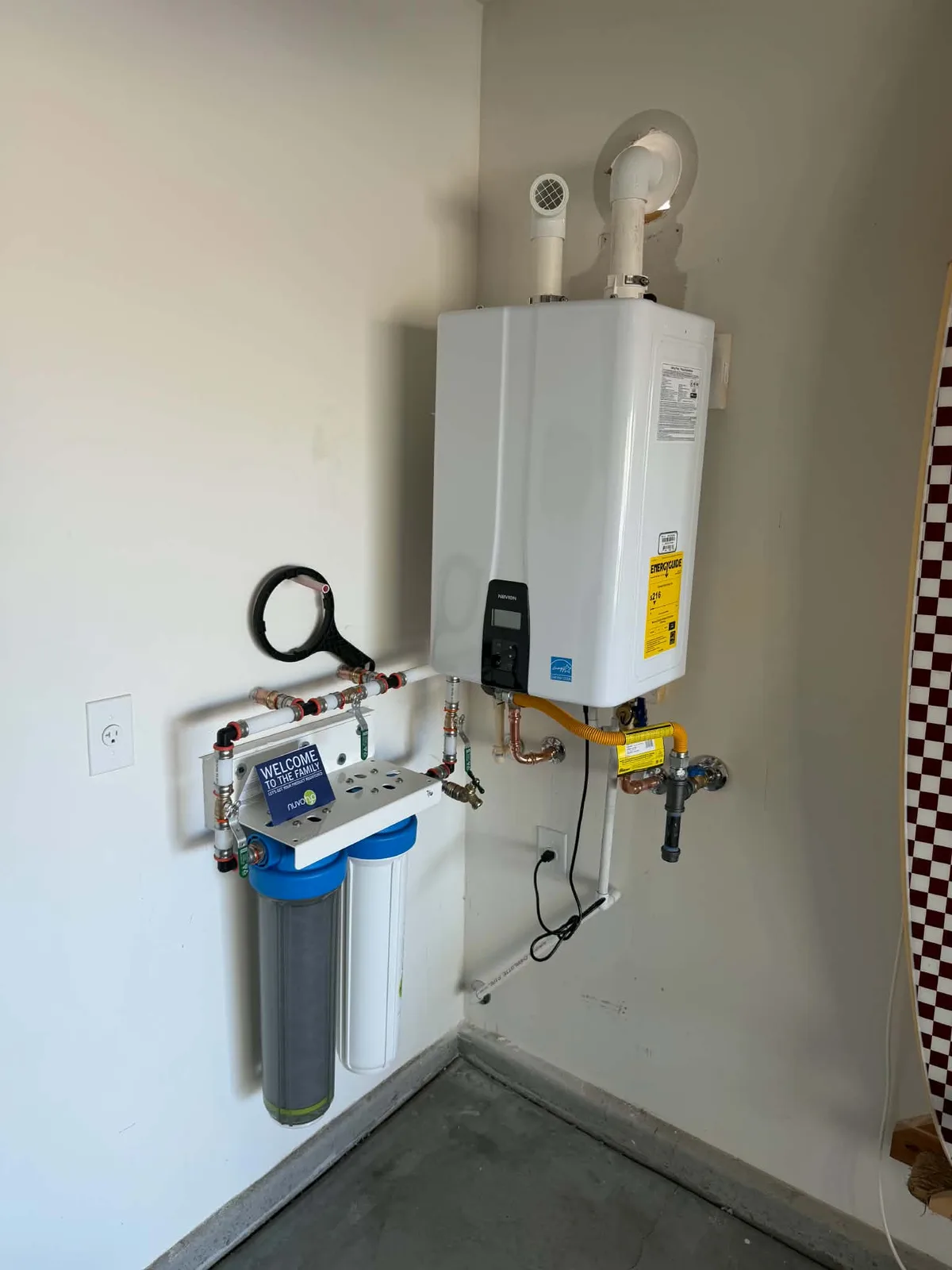
When hot water disappears, the first decision is whether the issue is limited to the heater or tied to the plumbing around it. Temperature swings, not enough hot water, noisy operation, or water that takes too long to recover can all indicate different types of problems. Some call for a repair to a specific part or connection, while others suggest the unit is nearing the end of its useful life.
Replacement becomes more sensible when the heater is repeatedly failing, no longer sized well for the household’s use, or showing signs of age and wear that make further repair less practical. Still, age alone should not be the only factor. A careful evaluation should look at the symptoms, the condition of the tank or components, and whether the existing unit can reasonably keep working with a focused repair. That approach helps you avoid swapping equipment before it is actually necessary.
- Hot water loss can be a heater issue or a plumbing issue nearby.
- Repeated failures make replacement more likely than a one-off repair.
- Good advice weighs performance, condition, and repair history together.
Water quality upgrades: filtration, softening, and reverse osmosis
Homeowners often ask whether they need a filter, a softener, or reverse osmosis. The right answer depends on the actual water conditions at the property and what you want to improve. Because water conditions can vary by supplier and by home, it is better to check a utility report or test the water than to assume one citywide condition applies everywhere. That keeps the discussion grounded in evidence instead of broad claims.
From there, the choice becomes practical. Filtration can help address sediment or taste concerns. Softening is often considered when mineral buildup is affecting fixtures or appliances, but it should be based on measured conditions and a real maintenance goal. Reverse osmosis is usually a point-of-use solution for drinking or cooking water. It is not a substitute for fixing plumbing leaks or pipe problems, but it can be part of a thoughtful plan when specific water-quality concerns are identified.
- Start with the actual water conditions at your property.
- Choose filtration, softening, or RO based on the problem you want to solve.
- Water treatment should complement plumbing repairs, not replace them.
Fixture repairs, replacements, and remodel decisions
Fixture projects are often where repair-first thinking saves the most money and disruption. A toilet that runs, a faucet that drips, or a sink that is hard to use does not automatically mean the whole bathroom or kitchen needs to be rebuilt. Many fixture issues are local and can be handled with repair parts, a replacement fixture, or a small plumbing adjustment. The key is to determine whether the problem is cosmetic, mechanical, or related to the surrounding plumbing.
During a remodel, it helps to separate the design wish list from the plumbing that truly needs changing. Moving lines, changing fixture types, or updating supply and drain connections can make sense when you are already opening walls or cabinets. But if the existing plumbing is sound, you may not need more invasive work just because you are refreshing a room. That is especially important when coordinating kitchen or bathroom updates, where a clear scope keeps the project aligned with your goals.
- A drip or running toilet often starts with a localized repair.
- Remodeling should change plumbing only where it adds value.
- Keep fixture replacement separate from cosmetic upgrades when possible.
How a plumbing visit usually starts: diagnosis, options, then approval
A useful plumbing visit should begin with questions about the symptoms, when they started, and what has changed recently. That helps narrow the possibilities before any work begins. The technician may inspect the affected fixture or area, trace the issue to likely sources, and explain what is known and what still needs confirmation. That conversation matters because a symptom is not the same thing as a diagnosis.
Once the problem is identified, the next step should be clear repair options. For many homeowners, the most valuable part of the visit is understanding whether the issue is a small fix, a targeted replacement, or a larger project that only makes sense if the underlying damage is broader than expected. Goodfellas Plumbing’s approach in the Phoenix metro is to provide clear repair options and upfront scope before approved work begins, so you can decide with the facts in front of you.
- Expect questions first so the diagnosis starts with context.
- Ask what is confirmed and what is still being checked.
- Approve work only after the scope is explained clearly.
Routine maintenance that helps avoid bigger plumbing work
The best maintenance is the kind that catches small changes before they become major repairs. Watch for slow drains, small leaks, faint odors, repeated toilet refills, and changes in water temperature or pressure. These signs do not always mean a serious problem, but they do mean the system is asking for attention. A short inspection now can prevent a wider repair later if the issue is still localized.
It also helps to keep records of repeated symptoms. If a fixture has been repaired several times, or if the same drain keeps slowing down, that history can point to a deeper issue that is worth investigating instead of repeatedly patching. Maintenance is not about replacing everything on a schedule. It is about noticing patterns, protecting the parts of the system that are still working, and deciding when a repair is enough versus when a bigger fix finally makes sense.
- Track recurring symptoms instead of treating each one as isolated.
- Small leaks and slow drains are early warning signs.
- Pattern recognition helps you avoid premature replacement.
Helpful answers
Plumbing questions in Goodyear
How do I know whether a plumbing problem needs emergency help or can wait?
If water is actively damaging a ceiling, wall, floor, or cabinet, or if drains are backing up in multiple places, treat it as urgent. Sudden loss of water or a fixture that won’t stop running also deserves quick attention. If you smell gas, leave the area and call emergency services or the gas utility from a safe location. For less severe issues, limit use of the affected area and schedule an inspection soon.
When is repiping actually worth considering?
Repiping can make sense when leaks, pressure issues, or pipe failures are recurring and isolated repairs no longer solve the problem. It should not be the default response to every leak or pressure complaint. A proper evaluation should identify whether the issue is one fixture, one branch, or the broader piping system. If the problem is localized, a targeted repair may be the better choice.
Do I need a water softener if I live in Goodyear?
Not necessarily. Water conditions can vary by supplier and by property, so it is better to check the actual utility report or test the water rather than assume a citywide condition. A softener may be helpful if mineral buildup is affecting fixtures or appliances, but the decision should be based on measured conditions and a real maintenance goal, not a blanket rule.
Should I repair or replace an older water heater?
The best choice depends on the heater’s symptoms, condition, and repair history. If the issue is isolated, a repair may be enough. If the unit is repeatedly failing, not meeting the home’s hot water needs, or showing wear that makes future problems likely, replacement can be more practical. Age matters, but it should be weighed alongside actual performance and the cost of continuing repairs.
Where we work
Serving Goodyear and the Phoenix Metro
Goodfellas Plumbing provides service at customer properties. Contact us with your street address, the plumbing issue and any access instructions so we can confirm availability. The geographic reference below represents an area we serve, not a walk-in office or a guaranteed response radius.
More service guides in Arizona
Local reference information
Public references provide geographic or regional water context; they do not imply endorsement of Goodfellas Plumbing.

