
Your local service guide
Good people. Practical solutions.
In a large metro area like Phoenix, plumbing problems often show up in layers. A slow drain may seem minor until it starts affecting more than one fixture. A dripping faucet can be an isolated wear issue, or it can be one clue in a broader pressure or piping problem. The most useful first step is to sort the symptoms by scope: one fixture, one room, or the whole property.
This guide is written for homeowners and property managers who need a calm way to think through plumbing issues before calling for help. It covers emergency triage, drain and sewer concerns, leaks and pressure changes, water heaters, filtration, fixture upgrades, what a service visit should include, and how routine maintenance can reduce repeat surprises.
When plumbing needs immediate attention
Not every plumbing problem is a crisis, but some signs should move to the top of your list. If water is actively spreading, a fixture will not shut off, a sewer odor is strong enough to suggest a back-up issue, or multiple fixtures stop working at the same time, the situation may need prompt attention. In a home or commercial space, the key question is whether the symptom is isolated or affecting the broader system.
A single running toilet or a faucet that will not stop dripping often points to a localized repair. By contrast, low water everywhere, repeated backups, or leaks that appear in more than one area can signal a larger line or pressure issue. If you suspect a gas leak near a water heater or appliance, leave the area and call emergency services or the gas utility from a safe location. Do not wait for a plumbing callback.
- Shut off water only if you can do so safely and quickly.
- Treat widespread loss of service differently from one bad fixture.
- Escalate immediately if water is entering walls, ceilings, or electrical areas.
Sorting drain clogs from sewer problems
A slow tub or kitchen sink usually starts as a fixture-level drain issue. Hair, grease, food debris, or soap buildup can narrow the path and make one drain behave badly while the rest of the property seems normal. In those cases, the repair question is often about clearing the obstruction and checking whether the trap, branch line, or connected fixture is contributing to the problem.
When several drains back up at once, or when flushing one fixture affects another, the concern moves deeper into the system. That can suggest a main line restriction or a sewer issue beyond a single branch drain. A homeowner does not need to diagnose the pipe by sight to know the scope matters: one sink vs. multiple fixtures tells a lot about where the problem may live. A professional visit can separate a simple blockage from a more involved sewer and drain repair plan before work is approved.
- One slow fixture often points to a local clog.
- Multiple affected fixtures suggest a larger line issue.
- Recurring backups deserve a broader inspection, not just repeated clearing.
Leaks, pressure changes, and when pipes deserve a closer look
Leaks are easy to notice when water appears on a floor, but not all leaks announce themselves that clearly. A faint ceiling stain, a damp cabinet bottom, or a persistent musty smell can all point to a plumbing leak hidden behind a surface. The question homeowners should ask is whether the leak seems tied to one connection or whether it keeps turning up in different parts of the property. A localized leak at a toilet supply or sink shutoff is very different from signs that suggest a line inside a wall or slab.
Pressure changes can be just as revealing. If one faucet is weak, the fixture may be the issue. If pressure drops across the home or building, the problem may involve the supply, a partially blocked line, or aging piping. In some homes, repeated leaks in separate areas can make a repipe worth discussing because patching one section after another may not solve the underlying pattern. The right approach is based on scope, condition, and access, not guesswork.
- A single wet cabinet often points to a fixture connection.
- Whole-property pressure loss can indicate a system problem.
- Repeated leaks in different places may justify discussing repiping.
A clear next step
Not sure where to start?
Describe the symptoms. We’ll help you arrange the right visit.
Hot water problems that are bigger than one faucet
Hot water complaints are not always caused by the water heater itself. If only one sink runs cool or the shower changes temperature while other fixtures are fine, the issue may sit in that fixture or its mixing components. But if the whole property runs out of hot water too quickly, never gets fully warm, or produces inconsistent temperatures across multiple fixtures, the water heater or its related components may need evaluation.
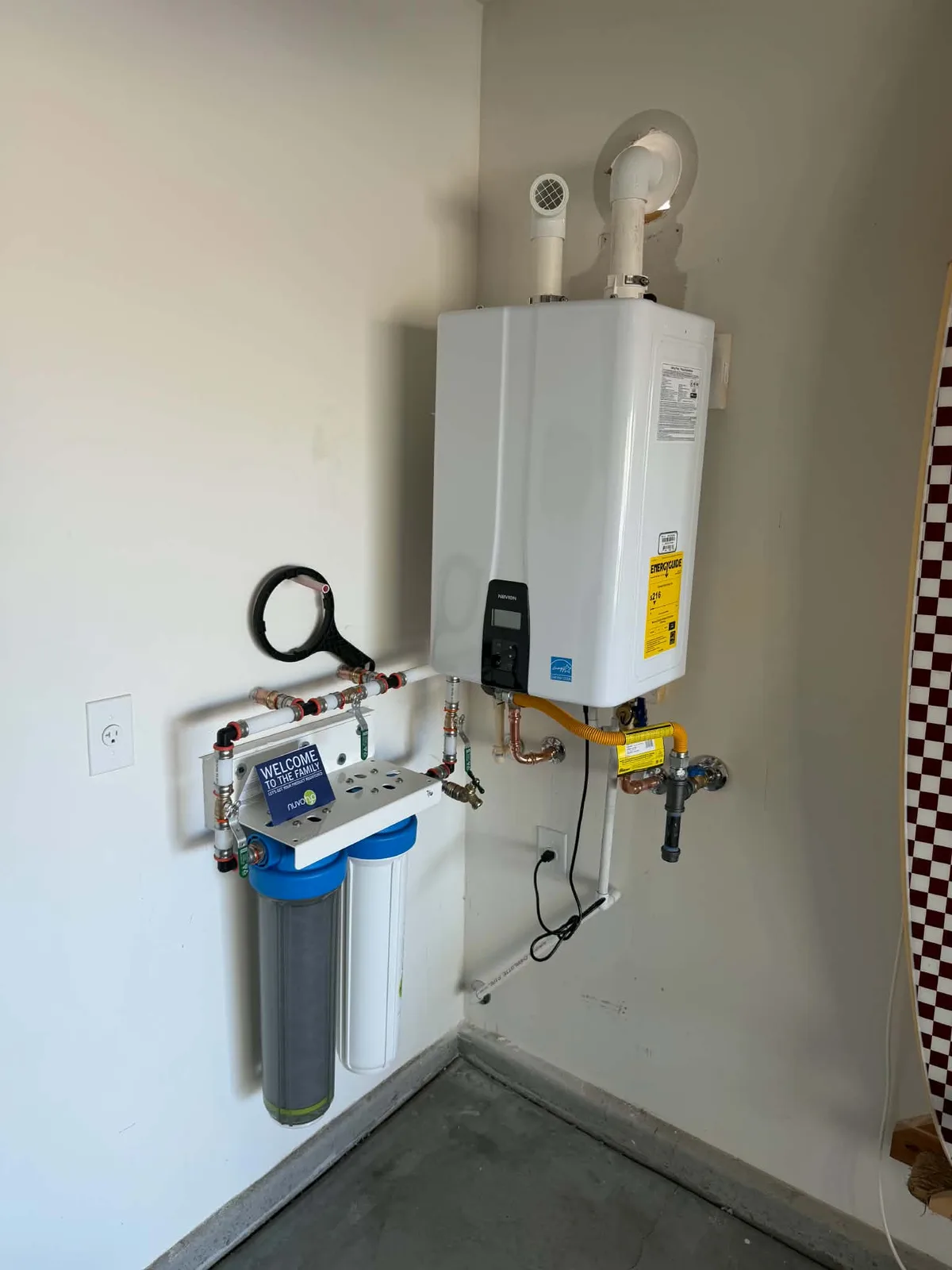
A homeowner can use the pattern of symptoms to help narrow the concern without opening up equipment. Is the problem only in one bathroom? Only on the hot side? Only at certain times of day? Those clues help separate a fixture fault from a system-level issue. Water heaters also deserve attention when recovery seems slower than usual or when there is visible corrosion, leaking around the tank, or unusual noises. A service visit can compare repair and replacement options so the decision matches the unit’s condition and the home’s needs.
- One lukewarm faucet can be a local mixing issue.
- Hot water loss across the home points more toward the heater.
- Visible leaking around a tank should be treated as a serious concern.
Hardness, filtration, and reverse osmosis without the hype
Phoenix water comes with naturally occurring calcium and magnesium, which contribute to hardness. That does not mean the water is unsafe to drink, but it can influence how fixtures, glassware, and appliances behave over time. Scale and spotty residue are the kinds of household clues people often notice first. The right question is not whether every home needs a treatment system, but whether the water in your property is creating maintenance headaches or taste concerns that matter to you.
Filtration, softening, and reverse osmosis each solve different problems. A filtration system may help with taste, odor, or sediment concerns. A softener is typically discussed when mineral buildup is making maintenance more difficult. Reverse osmosis is often considered for drinking water at a targeted point of use. A plumber can help compare these options in practical terms so you can decide whether the concern is whole-home water quality, a single drinking tap, or simply routine upkeep around fixtures and appliances.
- Mineral content can affect scale without making water unsafe to drink.
- Filtration, softening, and RO do different jobs.
- Targeted treatment can be enough when only drinking water is the concern.
When a single fixture repair becomes a remodel decision
A broken faucet, a loose toilet, or a sink that never seems to clean up well can be solved with a straightforward repair, but sometimes the fixture is only part of the story. If the cabinet is damaged, the layout no longer works, or the fixture has been repaired repeatedly, replacement may be the more practical choice. The same is true when a kitchen sink or bathroom setup no longer fits how the space is used day to day. Good repair advice should distinguish cosmetic frustration from a mechanical problem.
Remodeling work has a different goal than emergency plumbing: it should improve function, durability, and access. That might mean upgrading a toilet, replacing a sink, or reworking connections during a bathroom remodel so the finished space is easier to maintain. The best outcomes come from planning the plumbing around how the room is actually used, not just swapping visible parts. A plumber can help homeowners decide whether the smarter move is repair, replacement, or a broader renovation step.
- If repairs keep repeating, replacement may be the cleaner solution.
- Aesthetic wear and plumbing failure are not always the same problem.
- Remodel planning should include access for future maintenance.
What a professional plumbing visit should clarify
A useful plumbing visit should do more than swap parts. Homeowners should expect the problem to be assessed in terms of scope, cause, and repair options. If one toilet is running, the issue may be isolated. If the same symptom shows up in more than one room, the discussion should shift toward a bigger system picture. Clear communication matters because the goal is not just to stop the immediate symptom, but to understand whether the home has a single failed component or a pattern that needs a broader fix.
Goodfellas Plumbing serves the Phoenix metro with residential and commercial plumbing support, including 24/7 emergency phone availability. Availability is confirmed by phone, and the company’s approach is to explain repair options and the scope of approved work before moving ahead. That kind of conversation helps customers make informed choices without feeling pushed into unnecessary work. For the homeowner, the most important deliverable is clarity: what is wrong, what it takes to fix it, and whether the concern is localized or part of a system-wide issue.
- Expect the problem to be explained in plain language.
- Ask whether the symptom is fixture-specific or property-wide.
- Approved work should be discussed before it begins.
Routine maintenance that helps prevent repeat surprises
Plumbing systems usually give warning signs before they fail completely. Small drips, slower drains, changes in pressure, or new sounds from the water heater often show up before the repair becomes urgent. Catching those shifts early can keep a localized issue from spreading into flooring, drywall, or adjacent fixtures. The best maintenance mindset is simple: notice what changed, note where it changed, and pay attention to whether the symptom stays in one place or begins to repeat elsewhere.
Routine maintenance also means knowing when to schedule service before the inconvenience becomes disruption. A kitchen sink that drains more slowly every month deserves attention. A toilet that needs constant adjusting is worth evaluating. A water heater with rising inconsistency should not be ignored until there is no hot water at all. Preventive service does not eliminate every future repair, but it can help you address small mechanical problems while they are still small. That is especially useful in a large service area where different properties can age and wear in very different ways.
- Track whether symptoms repeat in the same fixture or spread.
- Address gradual changes before they become emergencies.
- Use maintenance visits to confirm whether a concern is isolated.
Helpful answers
Plumbing questions in Phoenix
How can I tell whether my problem is one bad fixture or a bigger plumbing issue?
Start by looking at the pattern. If only one sink, toilet, or shower misbehaves, the issue is often localized to that fixture or its connections. If several fixtures show the same symptom, or if one problem seems to affect another room, the concern may be more system-wide. That distinction helps a plumber decide whether the repair is simple or whether the home needs a broader inspection.
Are slow drains always a sign of a sewer problem?
No. Many slow drains are fixture-level clogs caused by buildup in a sink, tub, or branch line. Sewer concerns become more likely when multiple drains back up at once, when flushing affects another fixture, or when the problem keeps returning after prior cleaning. The scope of the symptoms matters more than the drama of the clog itself.
Does hard water mean the water in my home is unsafe?
Not necessarily. The City of Phoenix notes that naturally occurring calcium and magnesium contribute to hardness, but hardness by itself is not the same as unsafe drinking water. What it can do is create mineral buildup, spotting, or appliance wear over time. Treatment decisions are usually about comfort, maintenance, and taste preferences rather than an automatic safety concern.
What should I do if I smell gas near a water heater or appliance?
Leave the area right away and avoid using switches, flames, or anything that could create a spark. From a safe location, call emergency services or the gas utility. Do not wait for a plumbing callback before taking that step. Once the area has been made safe by the proper emergency response, a plumbing assessment can follow if needed.
Where we work
Serving Phoenix and the Phoenix Metro
Goodfellas Plumbing provides service at customer properties. Contact us with your street address, the plumbing issue and any access instructions so we can confirm availability. The geographic reference below represents an area we serve, not a walk-in office or a guaranteed response radius.
More service guides in Arizona
Local reference information
Public references provide geographic or regional water context; they do not imply endorsement of Goodfellas Plumbing.

