
Your local service guide
Good people. Practical solutions.
A plumbing visit goes better when the homeowner can describe the problem clearly, share the exact address, and explain how crews can reach the work area. In Buckeye, that matters for homes with detached garages, side yards, utility closets, or packed parking areas that can slow a diagnosis if access details are missing. Goodfellas Plumbing serves the Phoenix metro and confirms availability by phone, so the first step is usually a conversation about what is happening, where it is happening, and what the plumber may need to bring.
This guide focuses on practical planning rather than quick fixes. It explains how to triage urgent problems, what to expect with drains, leaks, water heaters, filtration, fixtures, and remodel work, and how to prepare for a visit with address details, gate codes, pets, photos, and equipment notes. The goal is to help you get the right service, the right tools, and a clear scope before any repair is approved.
When a plumbing problem needs immediate attention
If water is spreading across a floor, backing up through a drain, or coming from a fixture that will not shut off normally, treat it as urgent and call for help right away. The most useful information you can give first is the exact street address, the best entrance to the property, and whether someone can meet the plumber on arrival. If the problem involves a gas smell, do not wait for a plumbing callback; leave the area and call emergency services or the gas utility from a safe location.
An emergency call is also easier to handle when the homeowner can describe which fixtures are affected and whether the issue is contained to one room or spreading. Mention any visible water source, whether the main shutoff is known, and whether power needs to be avoided near standing water. Goodfellas Plumbing can confirm availability by phone, which helps coordinate the visit and route the right person for the situation.
- Share the exact address and a contact number that reaches you on site.
- Say whether water, wastewater, or gas concerns are involved.
- Note access issues such as locked gates, pets, or tenant entry requirements.
Drain and sewer problems: what information helps most
Slow drains often start in one fixture, while larger sewer issues can affect more than one room at the same time. Before the plumber arrives, it helps to note whether only a kitchen sink is slow, whether a toilet bubbles when another fixture runs, or whether wastewater is coming up in a tub, shower, or floor drain. Those details help separate a local blockage from a broader line issue and guide the equipment that gets brought to the property.
It is also useful to say whether the issue is new or has been building for a while, and whether there have been previous drain cleanings or sewer repairs. If there is a cleanout visible outside, mention that too. The exact condition of the line still needs to be assessed in person, but the visit becomes more efficient when the plumber knows what symptoms started the concern and which areas of the home are involved.
- Tell the plumber which fixtures drain slowly or back up.
- Mention any recurring clogs or prior repairs.
- Point out visible cleanouts, outdoor drains, or sewage odors.
Leaks, pressure changes, and hidden line concerns
A small leak can still create a large repair if it sits inside a wall, under a slab, or behind cabinets. Homeowners help the visit by describing where stains, dampness, or sound changes first appeared and whether the problem is constant or only shows up when a fixture runs. Photos of a wet ceiling, warped baseboard, or cabinet floor can save time because they show the size and location of the affected area before anyone opens access panels.
Pressure complaints deserve the same kind of detail. A sudden drop in pressure at one faucet may point to that fixture, while widespread changes may suggest a supply issue, valve problem, or aging piping that needs more investigation. If the home has had frequent leaks, discolored water at several fixtures, or repeated patch repairs, ask the plumber to evaluate whether a partial repair or a larger repipe is the better long-term path. The discussion should stay focused on options and scope rather than assumptions.
- Share photos of stains, wet areas, or corroded piping.
- Describe whether pressure changes affect one fixture or the whole home.
- Mention any repeat leak history or older pipe repairs.
A clear next step
Not sure where to start?
Describe the symptoms. We’ll help you arrange the right visit.
Water heater issues and how to prepare for service
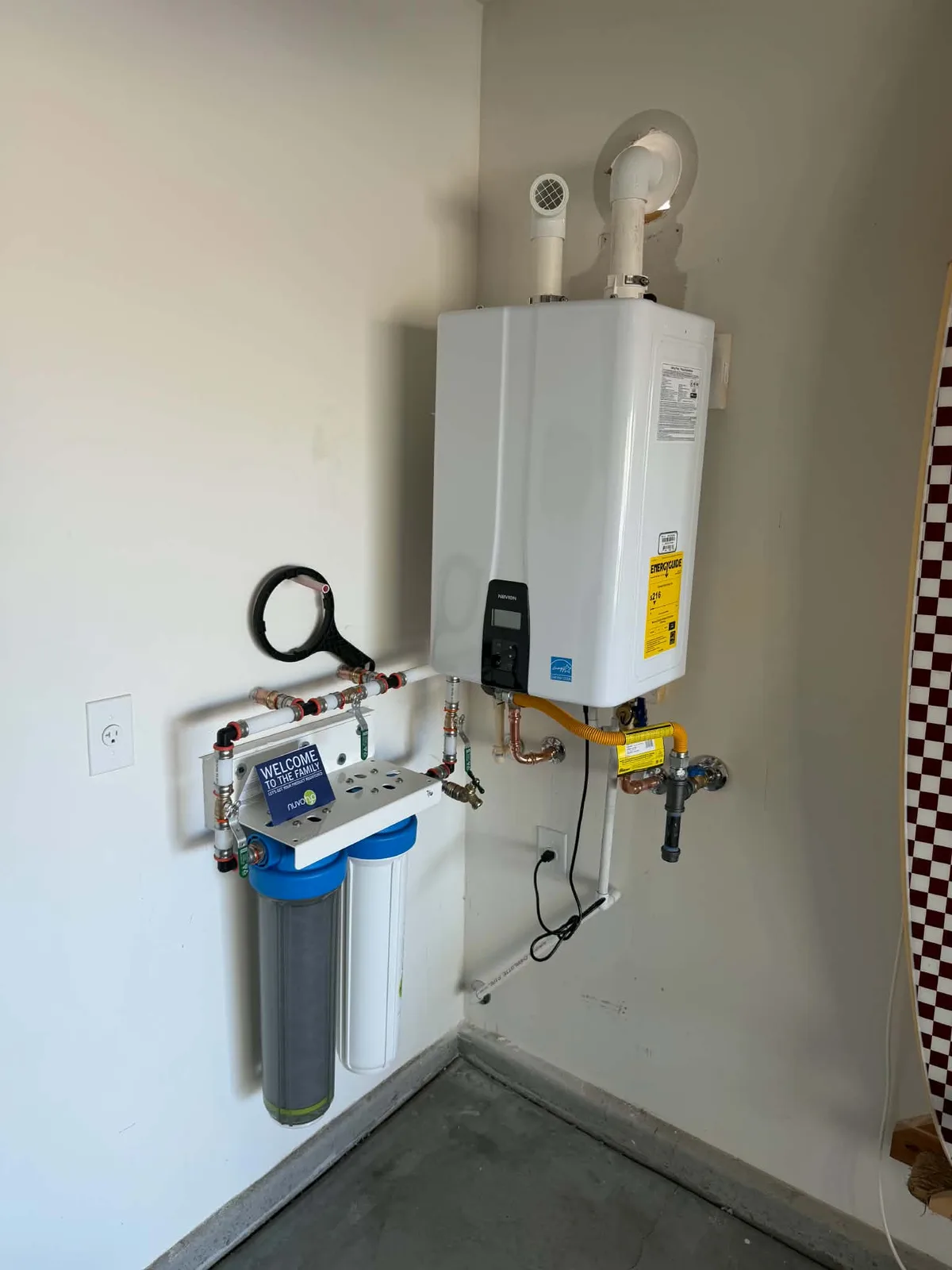
Water heater problems are easier to sort when you can describe whether the issue is no hot water, not enough hot water, fluctuating temperature, unusual noise, or visible leaking at the unit. If the heater is in a garage, closet, attic, or exterior enclosure, say so when you call and explain how the area is accessed. A clear note about the equipment type and location helps the plumber arrive ready to inspect the right connections and clearances.
It also helps to mention whether the unit serves a home, rental, or business, and whether the problem affects all fixtures or only one area. If the heater has been making popping, rumbling, or banging sounds, that may matter in the diagnosis, but the technician still needs to see the unit in person to judge repair versus replacement options. Goodfellas Plumbing can discuss clear repair options and upfront scope before work is approved, so the visit should be set up with the facts that matter most.
- Note the heater location and how the space is entered.
- Describe the hot-water symptom in plain language.
- Say whether the issue affects one fixture or the whole property.
Filtration, softening, and reverse osmosis decisions
Water quality questions are best handled with the actual conditions of the property rather than assumptions about a whole city. In Buckeye, water conditions can vary by supplier and by home, so it is more useful to check the utility report or test the water than to rely on a citywide hardness number. A plumber can help interpret what you are seeing at the tap, but the conversation should start with the specific issue: taste, odor, scale, staining, cloudy ice, or concern about drinking water quality.
That detail matters because each concern can point to a different solution. A whole-home filter is not the same as a reverse osmosis system, and a softener serves a different purpose than a drinking-water treatment unit. If you already have equipment, mention the brand, age, and any unusual changes in flow or maintenance needs. If you are planning a new system, think about whether you want treatment for the whole house, a single kitchen tap, or both.
- Describe the exact taste, odor, or staining concern.
- Share existing equipment details if you already have a filter or RO system.
- Ask about options for whole-home or point-of-use treatment.
Fixtures, kitchens, bathrooms, and project coordination
Fixture work often looks simple from the outside, but a proper visit depends on the details behind the wall and under the sink. If you need help with a toilet, kitchen sink, disposal, shower valve, or bathroom update, tell the plumber what is staying in place and what is changing. That lets the visit focus on shutoff location, plumbing compatibility, and any access needs before work begins. In a remodel, coordination matters as much as the fixture itself.
For homeowners planning kitchen or bathroom changes, it helps to share drawings, product links, or rough dimensions when available. That does not replace an in-person assessment, but it gives the plumber a clearer view of supply lines, drain connections, and the practical order of the job. If the project includes moving fixtures, ask about the plumbing implications early so the scope reflects the actual layout rather than a guess. Goodfellas Plumbing handles residential and commercial plumbing, so the conversation can cover both replacement work and project-related plumbing needs.
- Say which fixtures are being repaired, replaced, or moved.
- Share product details, drawings, or measurements if you have them.
- Mention cabinet, wall, or flooring access constraints.
How to set up a smoother service visit
The most efficient visits start with an accurate address, a working phone number, and a short description of the problem in ordinary language. If the property has a gate, shared driveway, or apartment-style access, include the code, entry instructions, or the best place to park. It also helps to say whether anyone will be home, whether a tenant needs notice, and whether the plumber should call before entering. Those details reduce back-and-forth and keep the focus on the repair.
Think through the work area before the appointment. Clear a path to the sink, water heater, fixture, or access panel if you can do so safely. If there are pets, move them to a secure room. If the issue involves noisy equipment or multiple fixture tests, let the plumber know in advance so they can plan the inspection. The goal is not to do the technician’s job; it is to make the site easy to evaluate so the scope can be explained clearly before work is approved.
- Provide exact address, entrance notes, and a reachable phone number.
- Share gate codes, parking instructions, and tenant or owner contact details.
- Clear access to the affected area and secure pets if possible.
Maintenance that reduces surprise repairs
Routine attention does not eliminate every plumbing problem, but it can make systems easier to manage and diagnose. Homeowners should keep an eye on slow drains, recurring drips, changes in water pressure, and any new sounds from a water heater or under-sink piping. When a change appears, note when it started and whether it is getting worse. That timeline can be as useful as the symptom itself because it helps the plumber separate a recent failure from a long-building issue.
It also helps to keep product manuals, prior service notes, and photos of installed equipment in one place. If a fixture is changed, a filter is replaced, or a shutoff valve is hard to reach, writing that down makes future visits easier. For households with older piping or repeated repairs, periodic evaluation may be the best way to decide whether smaller fixes remain practical or whether a larger improvement is worth discussing. Goodfellas Plumbing can review those options after an in-person visit and clear scope discussion.
- Keep a simple record of leaks, clogs, and hot-water changes.
- Save manuals, model numbers, and prior repair notes.
- Photograph shutoffs and hard-to-see equipment locations.
Helpful answers
Plumbing questions in Buckeye
What should I have ready before I call for plumbing service in Buckeye?
Have the exact address, a call-back number, and a plain-language description of the problem ready. If possible, note the fixture involved, whether the issue is isolated or widespread, and any access details such as gate codes, pets, or parking limitations. Photos can help, but they do not replace a good description of where the issue is and what it is affecting.
How do I know if a drain issue is local or part of a bigger sewer problem?
A single slow sink or tub often points to one fixture or branch line, while multiple fixtures acting up at the same time can suggest a larger line issue. Backups in more than one room, bubbling toilets, or wastewater coming up through floor drains are signs to mention right away. The plumber still needs to inspect the system, but those symptoms help guide the visit.
Should I assume my home needs a softener because Buckeye is in a desert climate?
No. Water conditions vary by supplier and property, so it is better to check the actual utility report or test the water before choosing a system. A softener, whole-home filter, and reverse osmosis unit each solve different problems. The right choice depends on whether you are dealing with scale, taste, odor, sediment, or a drinking-water concern at a specific tap.
What makes a service visit more efficient for leaks or water heater problems?
Access and details matter. Share the exact location of the leak or heater, whether the issue is constant or intermittent, and whether anyone needs to meet the technician on site. Photos, product information, and notes about prior repairs can also help. The more clearly the problem and access are described, the easier it is to identify the likely scope and discuss repair options.
Where we work
Serving Buckeye and the Phoenix Metro
Goodfellas Plumbing provides service at customer properties. Contact us with your street address, the plumbing issue and any access instructions so we can confirm availability. The geographic reference below represents an area we serve, not a walk-in office or a guaranteed response radius.
More service guides in Arizona
Local reference information
Public references provide geographic or regional water context; they do not imply endorsement of Goodfellas Plumbing.

