
Your local service guide
Good people. Practical solutions.
Plumbing problems are easier to manage when you know what needs immediate attention, what can wait, and how to protect the rest of the property while work is underway. In Litchfield Park, that matters just as much for small fixture upgrades as it does for unexpected leaks, drain backups, or water heater trouble. A good plan starts with understanding the likely scope of the repair and how the work will affect walls, cabinets, tile, and other finishes.
This guide is designed for homeowners, landlords, and commercial property managers who want practical, no-drama information before calling for service. It explains how plumbers typically triage urgent issues, what to expect from drain and leak work, how access is restored after repairs, and how to think about filtration, fixtures, and preventive maintenance without assuming every property needs the same solution.
When a plumbing problem becomes urgent
Not every plumbing issue is an emergency, but a few symptoms call for immediate attention. Active flooding, a burst pipe, sewer backup inside the building, or a water heater leak spreading across flooring can cause fast damage if the supply is not isolated and the problem assessed. If you smell gas near equipment, leave the area right away and contact emergency services or the gas utility from a safe location; do not wait for a plumbing callback.
For other urgent situations, the goal is to reduce harm before the technician arrives. Shut off the nearest fixture valve if you can do so safely, move belongings away from standing water, and avoid using affected sinks, tubs, or toilets until the line is inspected. If the issue involves a commercial space, note which areas are impacted and whether water or sewer service has been interrupted, since that helps narrow the likely scope quickly.
- Turn off water only if it can be done safely.
- Keep clear of contaminated backup water.
- Document where the problem started and what was running at the time.
Slow drains, backups, and what they may point to
A single slow sink usually suggests a localized clog, but multiple fixtures acting up can point to a larger drain or sewer issue. Grease, soap residue, hair, wipes, food waste, and foreign objects can all contribute to buildup. In some cases, a clog is only part of the picture and the line may also have a break, offset, or root intrusion that needs a different repair approach. That is why the diagnostic step matters before anyone commits to work.
Homeowners often want the quickest fix, but it helps to distinguish between clearing a blockage and addressing the reason it keeps returning. A plumber may inspect accessible cleanouts, test fixture performance, and decide whether a targeted cleaning is enough or whether sewer and drain service is a better fit for the condition of the line. The right scope keeps unnecessary work out of your kitchen, bath, or yard.
- One fixture vs. multiple fixtures tells a different story.
- Recurring clogs often deserve inspection, not just repeat clearing.
- Outdoor cleanouts can help limit disruption inside the house.
Leaks, pressure changes, and when a repipe is worth discussing
Leaks are not always dramatic. A stain on drywall, a damp cabinet base, a soft spot in flooring, or a water meter that suggests unexpected use can all indicate plumbing trouble. Some leaks come from supply lines, others from connections, valves, or hidden piping. Finding the source matters because the repair may be small and contained, or it may call for opening an access point to reach something concealed. Good communication about the suspected location helps reduce unnecessary demolition.
Pressure complaints can be just as important. Weak flow at a few fixtures may stem from a fixture issue, an isolated valve problem, or a broader piping concern. If the plumbing system has repeated leaks, corrosion, or age-related failures in several areas, repiping may come up as part of the conversation. That decision should be based on evidence from the inspection, not on guesswork, because opening walls only makes sense when the expected repair scope is clear.
- Moisture patterns often matter as much as visible dripping.
- Pressure issues may be localized or systemwide.
- Repeated repairs in different areas can justify repipe discussion.
A clear next step
Not sure where to start?
Describe the symptoms. We’ll help you arrange the right visit.
Water heaters: repair scope, replacement signs, and access needs
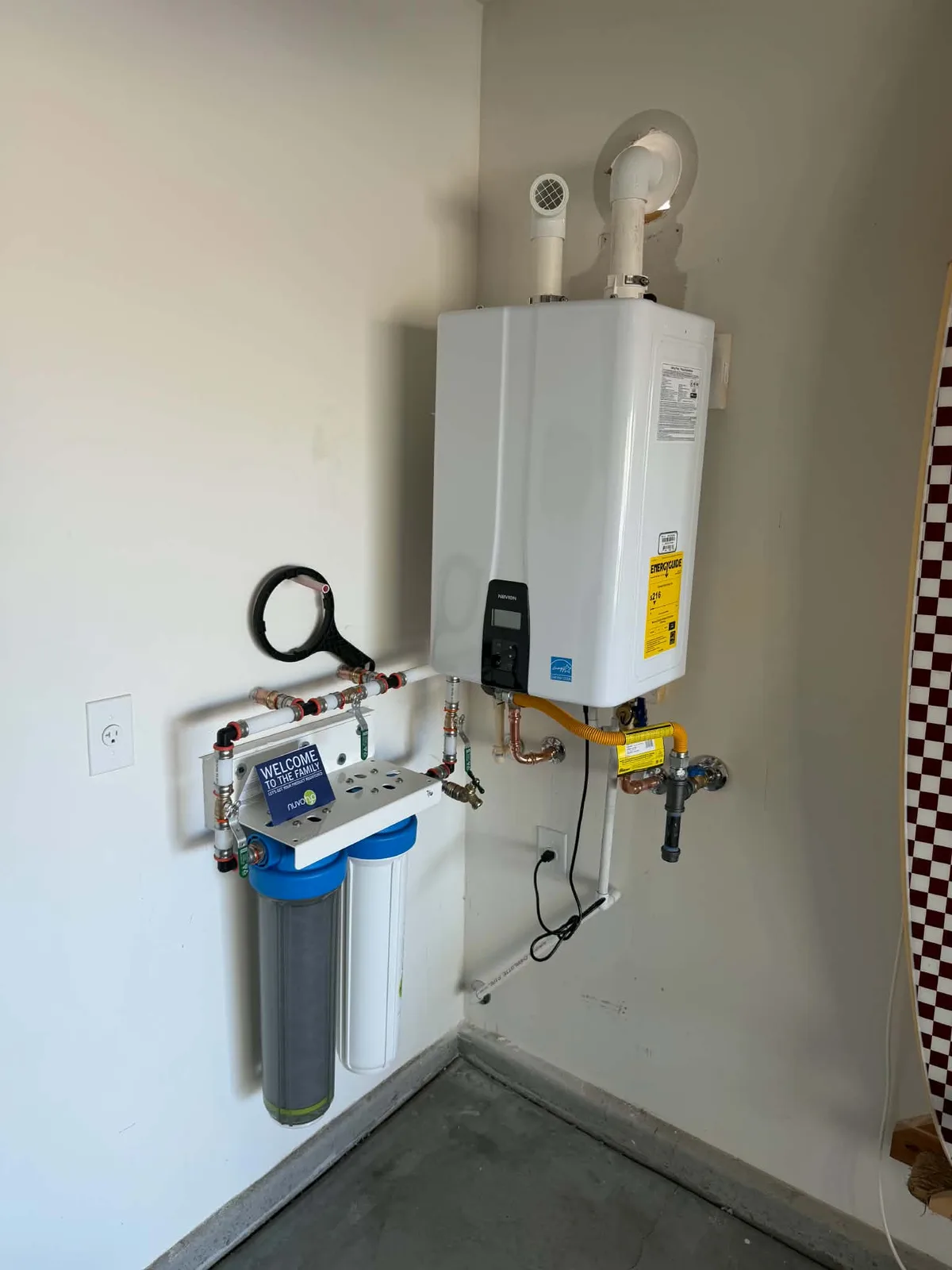
Water heater problems often show up as inconsistent hot water, unusual noises, visible leakage, or pilot and ignition trouble on applicable systems. A technician will usually start by identifying whether the issue is with the tank, connections, controls, or the surrounding plumbing. The point is not only to restore hot water, but to determine whether the unit is repairable and whether any surrounding damage needs attention. If the heater sits in a closet or tight mechanical area, restoring access after service is part of the job.
When replacement becomes a discussion, it should be based on the condition of the unit, the extent of the failure, and how the installation area is configured. A careful contractor will explain the available repair options and the scope involved before work begins. That helps you decide whether to repair now and plan later, or to address the heater and any necessary plumbing adjustments in one visit.
- Leaks around the base deserve prompt attention.
- Noise and temperature swings can signal internal problems.
- Access panels and clearance matter for service and cleanup.
Filtration, softening, and reverse osmosis without assumptions
Water quality concerns are best handled with facts about the actual property, not with a citywide assumption. In Litchfield Park, the better starting point is the utility report for the property or a test tied to the home or business itself. That approach helps determine whether filtration, softening, or reverse osmosis would address a specific concern such as sediment, taste, odor, or other water-quality goals. It also keeps the conversation grounded in what the occupants actually want from the water.
Different systems solve different problems. Whole-home filtration can help with water entering the building, while reverse osmosis is often discussed for drinking and cooking water at a dedicated point of use. If a plumber is installing or servicing a treatment system, the goal should be clean layout, reliable connections, and a setup that allows future cartridge changes or maintenance without disturbing cabinets or finished surfaces more than necessary.
- Start with testing or the property’s utility information.
- Match the system to the water-quality goal.
- Plan for maintenance access before installation.
Fixture upgrades and bathroom work that protect finishes
Bathroom and kitchen fixture work is often where finish protection matters most. Replacing a toilet, sink, faucet, tub fixture, or disposal can involve tight access around tile, drywall, cabinetry, and flooring. A careful plumber should think not only about the plumbing connection, but also about how to avoid scuffs, chips, and unnecessary disturbance. That includes using the right access points, covering surrounding surfaces when appropriate, and keeping the work area organized so the room is usable again as soon as the repair is complete.
Remodel-related plumbing is especially sensitive because the room may already have exposed surfaces or partially completed finishes. The best outcome comes from matching the plumbing work to the rest of the project timeline. If a valve, drain, or supply location needs adjustment, the repair scope should be clear before the first cut is made. That helps preserve tile lines, cabinet fit, and finished wall surfaces while still getting the new fixture installation or bathroom plumbing work done correctly.
- Protect tile, counters, and cabinet faces before work begins.
- Clarify whether existing openings can be reused.
- Ask how access will be restored after the repair or install.
What a plumbing visit should include from start to finish
A useful service visit starts with a clear description of the problem and what has already happened. That helps the plumber decide whether to inspect, test, isolate, repair, or recommend a different scope. For homeowners, it also helps to know where the main shutoff is, which rooms are affected, and whether any previous repairs or renovations may have changed the access points. The more accurate the starting information, the less likely the visit is to include avoidable disruption.
Before approved work begins, you should expect an explanation of the repair options and the scope involved. That can include whether access holes are needed, whether finish materials may be disturbed, and what restoration is included once the plumbing task is complete. For a finished home, the question is not only whether the leak or clog is fixed, but whether the area is left functional and access is properly restored. That is especially important in bathrooms, under sinks, and around utility closets where small openings can affect everyday use.
- Describe symptoms, not just the suspected cause.
- Ask what space must be opened and how it will be closed up.
- Confirm how the work area will be left at the end of the visit.
Simple maintenance that helps avoid bigger repairs
Good plumbing maintenance is mostly about noticing changes early. Slow drains, minor drips, low pressure at one fixture, and water around a base cabinet are all worth watching before they become larger failures. Regular attention to visible supply lines, shutoff valves, toilet performance, and under-sink areas can catch problems while they are still contained. That is especially helpful in homes where finishes would be harder to restore after a major leak or opening.
Preventive service is also about using the system in ways it was designed for. Keep debris out of drains, avoid overloading disposals, and treat recurring backup or odor issues as signs that a line needs inspection rather than repeated guesswork. For property managers and business owners, a maintenance plan can reduce interruptions by identifying weak points before they affect operations. The aim is not to over-service the plumbing, but to keep small issues from turning into access-heavy repairs.
- Check visible plumbing after heavy use or storms.
- Treat repeated symptoms as clues, not one-off annoyances.
- Schedule inspection before a small issue spreads.
Helpful answers
Plumbing questions in Litchfield Park
How do I know whether a plumbing issue is urgent or can wait until regular hours?
If there is active flooding, a sewer backup inside the building, a burst line, or a water heater leak spreading onto floors, treat it as urgent. Also leave immediately if you smell gas near equipment and contact emergency services or the gas utility from a safe location. Slower drains, a single dripping faucet, or minor fixture noise may be able to wait, but it still helps to document the symptom and avoid using the affected fixture until it is checked.
Will a plumber have to cut into my walls or cabinets to find a leak?
Sometimes, but not always. The need for access depends on where the leak is suspected, how visible the piping is, and whether diagnostic testing can narrow it down first. A careful plumber should explain the likely access points before work starts and discuss how those openings will be restored afterward. In finished spaces, protecting tile, cabinetry, and flooring is part of the service, not an afterthought.
Should I assume my home needs filtration or softening because it’s in the Phoenix metro?
No. Water conditions can vary by supplier and property, so the better starting point is the actual utility report or testing at the home or business. That tells you whether treatment is needed for a specific goal such as taste, odor, sediment, or point-of-use drinking water. From there, a plumber can help choose between whole-home filtration, softening, or reverse osmosis based on what you want to improve.
What should I expect after a bathroom fixture or remodel-related plumbing repair?
You should expect the plumber to explain the repair scope, any needed access openings, and how the work area will be restored. In a finished bathroom, that includes protecting surfaces during the job and closing up access in a way that leaves the space functional again. Good planning matters because fixture upgrades often involve tile, cabinets, drywall, or flooring, and the plumbing work should fit the finish work instead of fighting it.
Where we work
Serving Litchfield Park and the Phoenix Metro
Goodfellas Plumbing provides service at customer properties. Contact us with your street address, the plumbing issue and any access instructions so we can confirm availability. The geographic reference below represents an area we serve, not a walk-in office or a guaranteed response radius.
More service guides in Arizona
Local reference information
Public references provide geographic or regional water context; they do not imply endorsement of Goodfellas Plumbing.

