
Your local service guide
Good people. Practical solutions.
When plumbing problems start repeating, the hardest part is often not the repair itself. It is deciding whether the issue is isolated, whether a component is nearing the end of its useful life, and what information to gather before approving work. In Whitney, that decision process matters because plumbing systems are used heavily and repairs are most effective when they are based on symptoms, history, and a realistic look at the underlying cause.
Goodfellas Plumbing serves the Las Vegas valley with residential and commercial plumbing support, including 24/7 emergency phone availability. The most useful first step is not guessing at the fix; it is documenting what you see, describing how often the problem returns, and asking for a clear repair scope before work begins. That approach helps separate temporary correction from targeted replacement when a part has clearly become unreliable.
When a plumbing problem needs immediate triage
A plumbing emergency is not defined only by drama or water on the floor. It is any situation where delay can increase damage, create health concerns, or make a later repair more complicated. Burst supply lines, active ceiling leaks, sewage backing up into fixtures, and sudden loss of water to a large part of a building all deserve prompt attention. The goal is to limit damage first, then identify the source with as little disruption as possible.
If you are dealing with a suspected gas leak near any appliance, leave the area immediately and contact emergency services or the gas utility from a safe location. Do not wait for a plumbing callback if the situation could involve gas. For water-related emergencies, the most helpful information is simple: where the water is coming from, whether it can be isolated, and whether any fixtures above or below are affected.
For triage, focus on what is changing, not on forcing a diagnosis. A steady drip and a sudden spray suggest different causes. A wet cabinet base and a ceiling stain do too. Documenting the location, odor, and timing of the problem gives a plumber a better starting point and often shortens the path to a targeted repair.
If the issue seems to be spreading beyond one room or fixture, ask for an emergency evaluation and a repair plan that separates immediate stabilization from follow-up work. That keeps the conversation practical and makes it easier to choose between a temporary fix, a component replacement, or a larger correction.
- Shut off the nearest safe water source if a leak is active.
- Keep photos or short notes about when the problem started.
- Treat sewage, gas concerns, and major flooding as urgent.
- Ask what can be stabilized now and what can wait.
Drain and sewer problems that keep coming back
Repeated slow drains often point to a real blockage pattern, not just a one-time inconvenience. Grease buildup, soap residue, lint, hair, root intrusion, and damaged pipe sections can all produce similar symptoms, but they do not call for the same solution. A homeowner-first approach looks at how often the drain fails, what fixtures are involved, and whether the problem stays local or appears across multiple fixtures.
A single slow sink may be addressed differently from a main line that affects the whole home or building. If several drains gurgle, back up, or drain sluggishly at the same time, the issue may be in the branch or sewer line rather than in one fixture. That is why a focused inspection can be more helpful than repeating the same clearing method every time a clog returns.
When repairs keep recurring, ask what was found inside the line and whether the pipe is simply obstructed or physically compromised. In some cases, cleaning can restore normal flow for a while; in others, the line needs a more durable correction because the shape, slope, or condition of the pipe is part of the problem. That distinction is the difference between repeated service calls and a real plan.
A useful service visit should explain whether the issue is isolated, recurring, or structural. It should also make the next step understandable: clean it, inspect farther, repair a damaged segment, or consider replacement where a line has lost reliability.
- Note which fixtures are slow or backing up.
- Share whether the same clog returns in the same spot.
- Ask whether the issue is local, branch-line, or main-line related.
- Request a scope that explains why cleaning alone may or may not hold.
Leaks, low pressure, and when repiping deserves a closer look
Small leaks can be easy to ignore because they seem manageable at first. But recurring leaks often reveal a broader pattern: corroded fittings, stressed joints, aging supply lines, or hidden damage in places that are hard to inspect. If the same area needs repeated attention, the question is not just how to stop the drip. It is why that part has become unreliable and whether the material or layout is the real issue.
Pressure complaints deserve the same kind of symptom-based review. Low pressure at one fixture may point to an aerator, valve, or localized restriction. Low pressure at several fixtures, especially if it fluctuates, can suggest a supply-side issue or aging piping that no longer performs consistently. It is helpful to describe when the pressure changes, which fixtures are affected, and whether the problem appeared suddenly or developed over time.
Repiping is not a first answer for every leak or pressure issue, but it should be discussed when repairs become repetitive and the underlying pipe condition continues to fail. A good contractor will explain the visible symptoms, the likely cause, and the expected benefit of replacement in clear terms. That lets you compare short-term repair value against the longer-term reliability of a targeted rework.
If you are considering replacement, ask for a scope that identifies the affected areas, the reason repair is no longer enough, and any tradeoffs in access or restoration. Understanding the scope helps you decide whether to address one branch now or plan a broader update later.
- Record where leaks appear and whether they reoccur.
- Compare pressure at a single fixture versus multiple fixtures.
- Ask what signs suggest aging pipe versus a small repairable fault.
- Request a repipe discussion only when repeated failures point that way.
A clear next step
Not sure where to start?
Describe the symptoms. We’ll help you arrange the right visit.
Water heater symptoms, repair decisions, and replacement timing
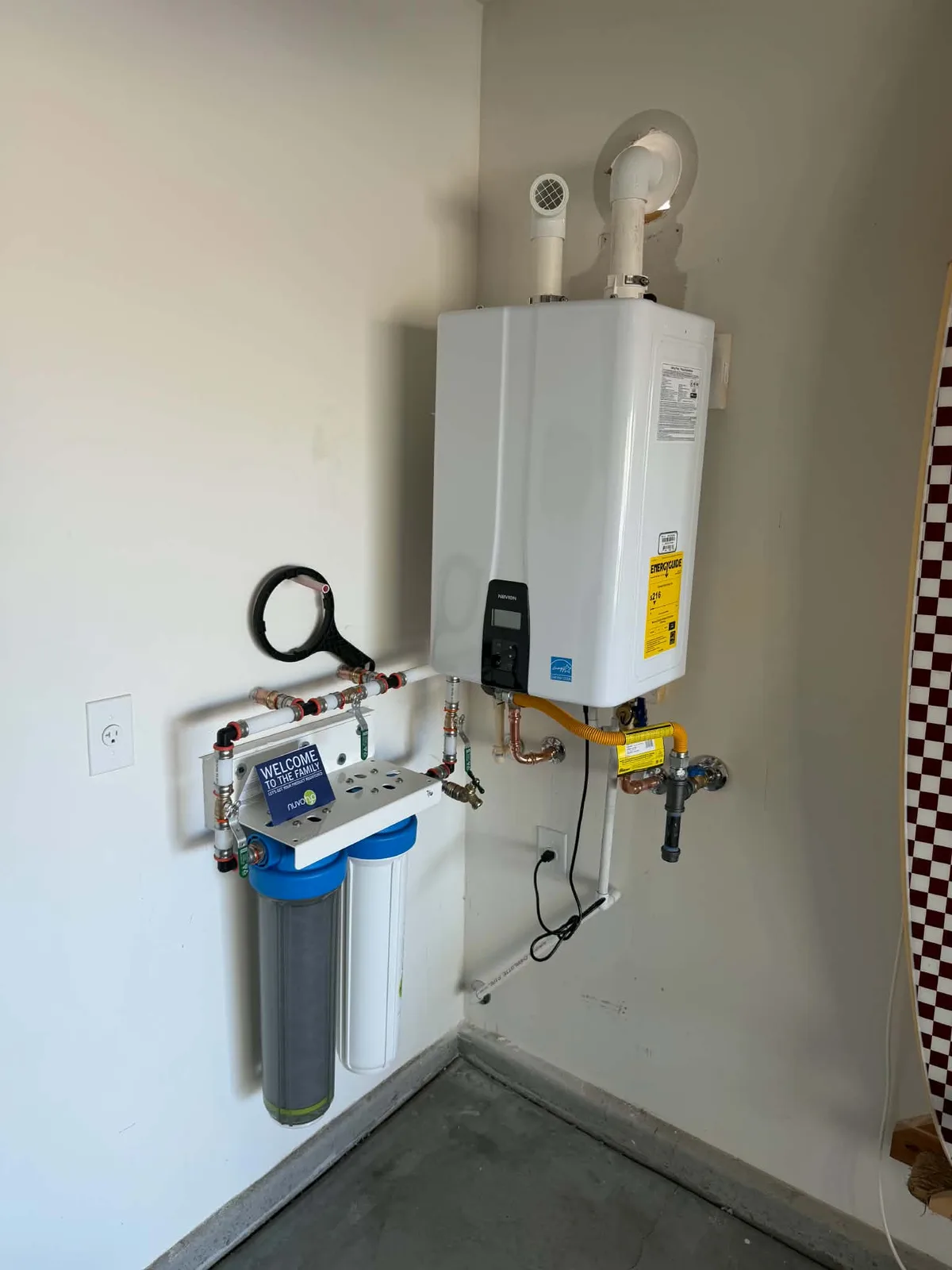
Hot water problems show up in more ways than a complete outage. Water may run lukewarm, temperature may swing during normal use, or the unit may make unusual noises that suggest buildup, wear, or a failing component. The useful question is not simply whether the heater still turns on. It is whether it is delivering dependable service under normal household or commercial demand.
A water heater that needs repeated attention can become a candidate for replacement even if it still operates part of the time. When a repair is requested, ask what failed, whether the issue is electrical, mechanical, or related to the tank or connections, and whether the rest of the unit is in good enough condition to justify the repair. That clarity helps avoid paying to revive equipment that is likely to fail again soon.
For homeowner decision-making, the strongest indicators are repetition and scope. If the same symptom returns after prior service, or if multiple signs point to broader wear, a targeted replacement discussion is often more useful than another isolated fix. A good plumber should explain the difference between a component repair and a full replacement without pushing either option as a default.
Whether your system is in a home, rental, or business, the right plan is the one that matches the problem. Not every hot-water complaint means the tank is finished, but repeated failures are a reason to ask for a direct, understandable assessment.
- Track whether hot water is inconsistent, delayed, or fully absent.
- Ask what part failed and whether it suggests broader wear.
- Compare the cost of another repair with the value of dependable service.
- Request a clear explanation of repair versus replacement.
Water treatment choices: filtration, softening, and reverse osmosis
In Southern Nevada, regional water is described by the Southern Nevada Water Authority as very hard, but that does not mean every address has the same exact water experience or that hardness alone makes water unsafe to drink. It does mean that mineral scale, spotting, and appliance stress can become part of the conversation. The right treatment approach depends on what problem you are trying to solve: taste, odor, mineral buildup, sediment, or a combination of concerns.
Before choosing equipment, it helps to separate water-quality preferences from plumbing protection needs. Filtration can address particles or taste issues. Softening is typically discussed when mineral scale is the concern. Reverse osmosis is often chosen for point-of-use drinking water treatment. Those are different tools, and the best one depends on how you use the water and what result you want.
A practical evaluation should start with symptoms at your own property rather than assumptions about the whole area. Look at white scale on fixtures, cloudy spots on glassware, reduced flow through certain fixtures, or taste concerns at the kitchen tap. Then ask for an option that is sized to the actual problem and explained in plain language, including maintenance needs and what each system does not address.
If you are weighing more than one treatment path, ask which one is meant for whole-property use and which one is meant for a single tap or point of use. That distinction prevents overspending on treatment that does not match the goal.
- Identify whether your concern is taste, scale, sediment, or odor.
- Ask how the system fits either whole-home or single-tap use.
- Compare ongoing maintenance needs before choosing equipment.
- Base the decision on your property’s symptoms, not assumptions.
Fixtures and remodel work that should solve a real problem
Fixture repairs and remodels are easiest to appreciate when they are tied to a practical goal. A faucet that drips, a toilet that runs, a sink that drains poorly, or a disposal that no longer clears food waste all create small but persistent frustrations. The best repair choice depends on whether the fixture is isolated, aging, damaged, or simply outdated in a way that affects performance.
When a fixture is only failing in one part, repair may be the sensible path. When the same fixture keeps needing attention, replacement can be more economical and more predictable. In remodel settings, the plumbing work should be mapped to how the room will actually be used, not just to how it will look on day one. That includes confirming access, drain locations, supply line needs, and any changes that affect serviceability later.
For kitchen and bath updates, a good scope explains what will be reused, what will be replaced, and what must be coordinated with other trades. Homeowners benefit when the plumber defines the plumbing part of the job clearly, especially if the project involves fixtures with different sizes, connection types, or drainage demands. That reduces surprises once the old fixture comes out.
If you are deciding between repair and replacement, ask whether the fixture’s failures are local or recurring. Repetition is often the sign that the issue is no longer just cosmetic or inconvenient, but a durability problem worth solving more completely.
- Match the fix to the problem: drip, clog, wear, or layout change.
- Ask whether repeated service means the fixture is near the end of its useful life.
- Confirm what plumbing parts are included in a remodel scope.
- Keep serviceability in mind for future maintenance.
What a good service visit should tell you
A useful plumbing visit should leave you with more clarity, not just a repaired symptom. That starts with a brief review of what has been happening, where the problem appears, and how often it returns. The technician should then explain what was observed, what the likely cause is, and what options exist at different levels of scope. Clear communication is especially important when the problem could be handled in more than one way.
Homeowners and managers benefit when the diagnosis is tied to evidence. That may include visible wear, active leakage, recurrent clogging, or a part that no longer performs as it should. The value of that conversation is not technical complexity; it is understanding why one approach is enough for now or why a longer-term fix deserves attention. When the explanation is understandable, decisions are easier to make.
Before approving work, it is reasonable to ask what will be repaired, what will be replaced, and what remains a risk after the job is done. That kind of scope protects you from vague approvals and helps you compare options on the basis of reliability, not urgency alone.
Goodfellas Plumbing’s approach in the Las Vegas valley is built around repair options and upfront scope before approved work. That means you can ask for a clear outline and know what you are approving, rather than guessing at the next step.
- Expect a plain-language explanation of the problem and options.
- Ask what evidence supports repair, replacement, or further inspection.
- Confirm the exact scope before work begins.
- Keep the visit focused on solving the cause, not only the symptom.
Maintenance habits that reduce repeat repairs
Routine maintenance is most effective when it is practical and specific. The goal is not to overmanage every fixture; it is to catch the patterns that lead to repeat service calls. That means keeping an eye on slow drains that gradually worsen, valves that stick, fixtures that start to drip again, and appliances that no longer behave the way they did after a previous repair. Small changes often show up long before a failure becomes obvious.
A maintenance mindset also helps you compare future repair options. If a problem returns in the same location, with the same symptom, after prior service, that history matters. It may suggest a worn component, a hidden restriction, or a line that should be evaluated more broadly. Good records make those conversations easier because they turn memory into evidence.
For homes, rentals, and commercial spaces, simple notes can be enough: when the issue started, what fixture was involved, whether it spread, and whether it improved temporarily after prior service. That information helps a plumber recommend targeted work rather than repeating a short-lived fix. It can also help you plan ahead instead of reacting under pressure.
If your system has recurring trouble, use maintenance to build a repair history. The more clearly the symptoms are documented, the easier it becomes to decide whether the next step is another repair, a component replacement, or a larger update that improves reliability.
- Keep a simple log of recurring leaks, clogs, and pressure changes.
- Note whether a prior repair solved the problem temporarily or fully.
- Watch for gradual changes instead of waiting for a total failure.
- Use repair history to guide future replacement decisions.
Helpful answers
Plumbing questions in Whitney
How do I know whether a plumbing issue in my home needs repair or replacement?
Start with repetition and scope. If one part failed once, repair may make sense. If the same symptom keeps returning, or if several fixtures show the same problem, replacement deserves a closer look. Ask the plumber to explain what failed, what evidence points to the cause, and what would make the repair short-term rather than durable. Clear symptom history usually leads to better decisions than guessing from the outside.
What should I tell the plumber before a service visit?
Share when the issue started, what fixtures are involved, whether it is getting worse, and whether anything has been fixed before. Photos, short notes, and a description of how often the problem returns can be very helpful. If water is actively leaking or backing up, say whether it can be isolated. The more specific the symptom history, the easier it is to match the visit to the actual problem.
Is hard water a sign that my drinking water is unsafe?
Not by itself. In this region, water is described as very hard, which can mean more scale on fixtures and appliances, but hardness alone does not determine safety. If you want better taste, less sediment, or lower scale, different treatment options may help. The right choice depends on your property’s symptoms and what you want to change, not on a one-size-fits-all assumption.
What should I do if I smell gas near a plumbing appliance?
Leave the area right away and contact emergency services or the gas utility from a safe location. Do not wait for a plumbing callback if there may be a gas leak. Once the area is secure and responders or the utility have addressed the concern, a plumber can help with the plumbing side of the appliance or connected lines if needed.
Where we work
Serving Whitney and the Las Vegas Valley
Goodfellas Plumbing provides service at customer properties. Contact us with your street address, the plumbing issue and any access instructions so we can confirm availability. The geographic reference below represents an area we serve, not a walk-in office or a guaranteed response radius.
More service guides in Nevada
Local reference information
Public references provide geographic or regional water context; they do not imply endorsement of Goodfellas Plumbing.

