
Your local service guide
Good people. Practical solutions.
Plumbing problems rarely stay neatly contained to one room. A slow tub, a noisy water heater, a toilet that gurgles, and weak kitchen pressure can seem unrelated until you look at the house as one connected system. In Sunrise Manor, homeowners often need a staged diagnosis that separates a simple fixture issue from a branch drain problem, a pressure concern, hidden leakage, or aging supply piping. The useful first step is not replacing random parts. It is noticing which fixtures are affected, whether the problem involves hot water, cold water, drainage, or all three, and what changed first.
Goodfellas Plumbing serves the Las Vegas valley and handles residential and commercial plumbing with 24/7 emergency phone support. Availability is confirmed by phone, and the focus is clear repair options with an upfront scope before approved work. For homeowners, that matters because whole-home troubleshooting works best when the visit starts with a pattern, not a sales pitch. The sections below explain how to think through urgent symptoms, what different combinations usually point to, and what kind of next step tends to solve the cause instead of only the most visible symptom.
How to triage several symptoms before they become a bigger emergency
When more than one fixture is misbehaving, start by identifying the risk level. Water actively spreading onto floors, a ceiling stain growing by the hour, sewage backing up into tubs or showers, or a toilet overflowing and not receding are signs to stop using the affected fixtures and get help quickly. If the issue appears to involve only hot water, note whether cold water pressure is normal. If every faucet has weak flow, that points in a different direction than one bathroom sink sputtering by itself. A clear symptom list saves time during the service call and helps keep the diagnosis focused.
If you smell gas near a water heater or any appliance, leave the area and call emergency services or the gas utility from a safe location. For water-only issues, simple containment is helpful: move rugs, set towels where needed, and avoid running dishwashers, laundry, or long showers until the source is understood. Listen for clues too. Hissing can suggest pressure or supply trouble, repeated toilet refilling may mean a fixture leak, and gurgling after one fixture drains can suggest a venting or drain-line problem rather than a bad faucet. The goal is to narrow the system involved so the repair starts in the right place.
- Note which fixtures are affected: one room, one floor, or the whole house.
- Separate supply issues from drainage issues: weak flow is different from slow draining.
- Pause heavy water use until the cause is identified.
When tubs, toilets, and sinks all drain poorly, think system before fixture
A single slow bathroom sink often stays a local clog. Several fixtures draining slowly at the same time usually deserve a broader look. If the lowest fixtures in the home are the first to back up, or if flushing a toilet affects a nearby shower or tub, the problem may be farther down the line than the room where you notice it. Gurgling, intermittent sewer odor, and water appearing in one fixture after another fixture is used are all clues that the drainage system is reacting as a network, not as separate problems.
That distinction matters because the right fix for a branch-line buildup is different from the right fix for a main drain issue. Clearing one sink trap will not solve a stoppage that is causing toilets and tubs to interact. During diagnosis, a plumber may compare fixture behavior, check how quickly lines recover after use, and determine whether the stoppage appears isolated or more central. For homeowners, the practical takeaway is simple: once multiple drains show symptoms, avoid repeated plunging and repeated test flushing in several rooms. Extra water can turn a slow problem into a messy backup without improving the underlying cause.
- Backups at the lowest fixtures often point to a more central drainage issue.
- Toilet flushing that disturbs shower or tub drains is an important clue.
- More testing with extra water can make a drain problem worse.
Weak pressure, sudden noise, or unexplained moisture can point to supply-side trouble
Whole-home troubleshooting is especially important when the complaint is not drainage but water delivery. If pressure drops at many fixtures at once, hot and cold behave differently, or you hear banging, whistling, or hissing in the piping, the issue may involve valves, pressure conditions, failing connectors, or older supply lines. A hidden leak can also masquerade as a simple pressure complaint. You may first notice longer fill times, a toilet that seems less forceful, or a shower that changes strength when another faucet runs. Those patterns are more useful than a guess about which part failed.
Supply piping does not always fail dramatically. Sometimes the earliest signs are localized stains, cabinet moisture, recurring wall bubbling, or a musty smell with no obvious source. In other homes, repair history becomes the clue: several separate small leaks over time can suggest that spot repairs are no longer the most practical long-term path. That is when a plumber may talk through whether targeted leak repair, pressure evaluation, or a staged repipe plan makes better sense. The benefit of a staged diagnosis is that it avoids treating every wet spot as unrelated when the piping itself may be the common denominator.
- Compare hot and cold performance instead of describing the problem only as low pressure.
- Recurring small leaks can reveal a larger piping decision.
- Unusual sounds in the walls are worth mentioning during the visit.
A clear next step
Not sure where to start?
Describe the symptoms. We’ll help you arrange the right visit.
Water heater symptoms often show up at faucets and showers first
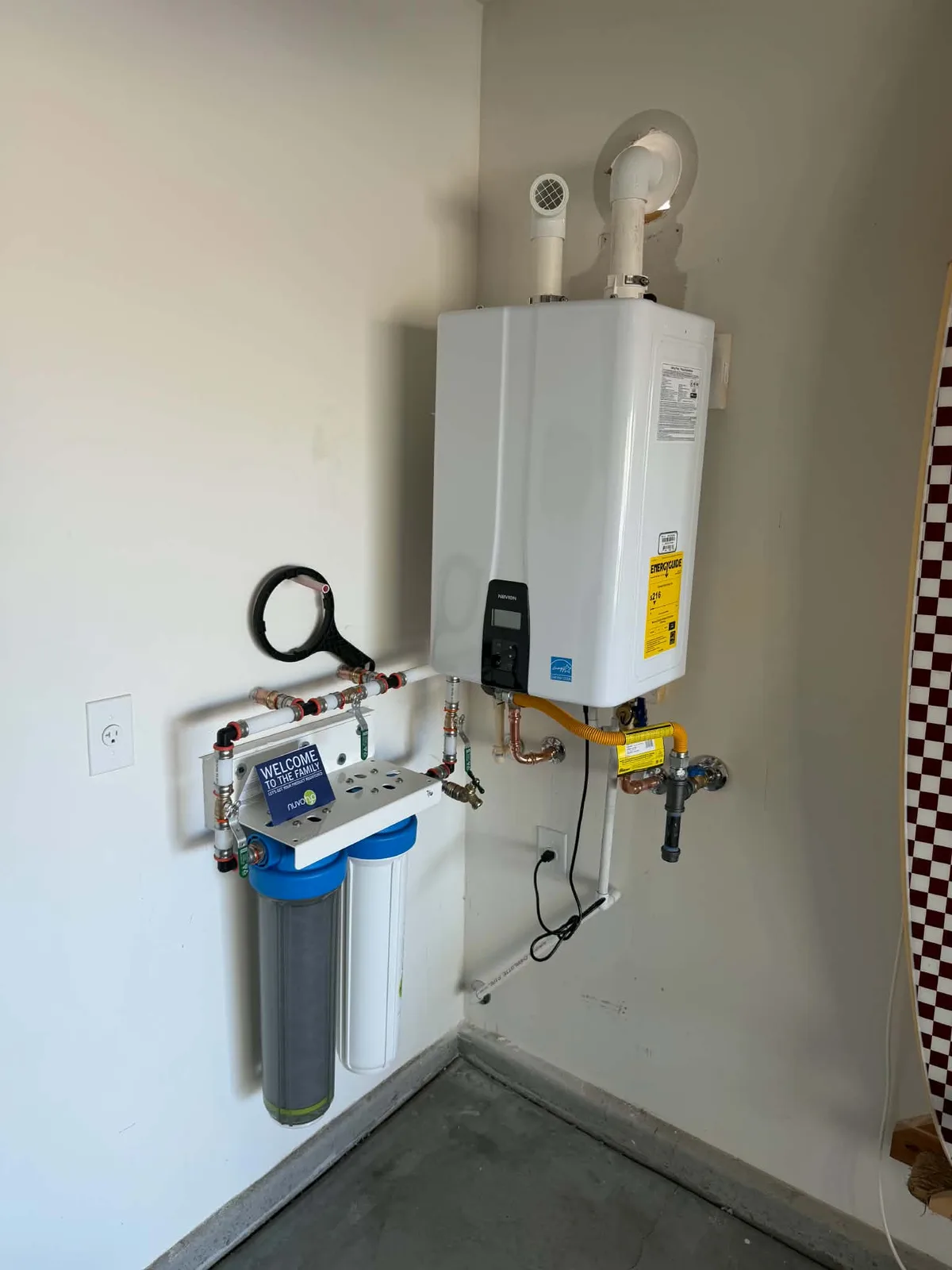
A water heater problem does not always begin with no hot water at all. More often, homeowners notice shorter hot showers, inconsistent temperatures, rumbling sounds, rusty-looking hot water, or a delay before hot water reaches multiple fixtures. Those are system clues, especially if sinks and showers across the home are all affected in similar ways. If only one fixture has poor hot performance, the issue may be local to that faucet or shower valve. If hot-water complaints are widespread, the heater and its connections move much higher on the suspect list.
It also helps to separate comfort issues from active leak concerns. Water around the heater, new dripping nearby, or moisture damage in the area calls for faster attention than simple recovery-time complaints. At the same time, not every temperature swing means the heater itself has failed; cross-connections, aging fixture components, and heavy simultaneous demand can muddy the picture. A careful service visit typically starts by confirming whether the trouble is true heater performance, distribution to fixtures, or a combination of both. That approach tends to produce better repair choices than replacing equipment based only on one lukewarm shower.
- Whole-home hot water changes often point to the heater or hot-water distribution.
- One problematic shower does not automatically mean the heater is failing.
- Moisture around the heater is a different urgency than reduced recovery.
Hard-water complaints, taste concerns, and filtration choices should be separated
Homeowners often group spotting on fixtures, scale on appliances, drinking-water taste, and faucet buildup into one big water-quality problem. In practice, those concerns may call for different solutions. Southern Nevada Water Authority describes regional water as very hard, but individual supply and treatment conditions should still be checked rather than assumed to be identical at every address. Hardness usually shows up as scale, soap performance frustration, and wear on plumbing fixtures or water-using appliances. Taste or drinking-water preference is a separate conversation from scale control, even when both matter in the same home.
A whole-home filtration setup, a softening approach, or reverse osmosis at a drinking-water tap each solves a different problem profile. The best choice depends on whether the main concern is mineral buildup throughout the house, sediment affecting fixtures, or preferred taste at a point of use like the kitchen. Looking at symptoms house-wide helps prevent overbuying equipment that does not address the actual nuisance. If the showerhead crusts up, the dishwasher struggles with spotting, and the icemaker water is the only thing you dislike drinking, the answer may be a combination of targeted treatment and fixture maintenance rather than one catch-all product.
- Scale control and drinking-water preference are not the same issue.
- Water treatment should match the symptoms you actually have.
- A targeted setup can make more sense than one oversized system.
Fixture failures can mimic bigger problems, especially in kitchens and baths
Not every whole-home complaint begins in the pipes behind the walls. Worn toilets, aging shutoffs, corroded supply tubes, problematic sink fittings, and tired shower components can create a cluster of symptoms that feels bigger than it is. A toilet that runs and refills repeatedly can change how the water system sounds and performs. A kitchen faucet with internal wear can make one side of the house seem low pressure. A disposal, sink drain, or trap issue can be mistaken for a main clog when the trouble is really centered at one work area. The useful question is whether each fixture acts up independently or whether using one fixture disrupts another.
This is also why remodeling conversations should include system context, not just style choices. Replacing visible fixtures during a bathroom update can be the right moment to address hidden stop valves, supply connections, drainage alignment, or older components that may otherwise remain weak points. Homeowners do not need to commit to a full renovation to benefit from that thinking. Even small fixture replacements go better when they are planned with the broader plumbing layout in mind. It reduces the chance of solving the cosmetic complaint while leaving the performance complaint untouched.
- A running toilet can create system-wide noise and water-use symptoms.
- One worn faucet can imitate a wider pressure issue.
- Remodel planning is a good time to address hidden plumbing weak points.
What a helpful service visit looks like when the cause is not obvious
The most productive plumbing visit starts with pattern recognition. When you call, be ready to describe what changed first, which fixtures are affected, whether the issue involves drainage, hot water, pressure, odors, or visible leakage, and whether the problem is constant or intermittent. With whole-home troubleshooting, that timeline matters. It can distinguish a fixture-specific repair from a branch-line problem, a water heater issue, or a larger supply concern. Goodfellas Plumbing provides clear repair options and an upfront scope before approved work, which is especially useful when more than one repair path may be reasonable.
During the visit, the outcome should not feel like a mystery. You should understand whether the symptoms point to one failed part, a localized clog, a broader drain issue, hidden leakage, or aging piping that deserves a bigger conversation. In some cases the right answer is a targeted repair now and monitoring later. In others, repeated symptoms across several fixtures justify discussing a staged plan. The value of that staged approach is practical: it lets homeowners compare immediate relief, likely recurrence, and long-term options without pretending every issue needs the biggest possible fix on day one.
- Have a symptom timeline ready before the appointment.
- Ask whether the problem appears isolated, related, or system-wide.
- Expect options that match both urgency and scope.
Practical maintenance that supports diagnosis instead of masking problems
Good maintenance is less about doing everything and more about noticing patterns early. Check under sinks and around toilets for moisture now and then, pay attention to changes in drain speed, and watch for new mineral buildup at frequently used fixtures. If one shower gradually loses performance while the rest of the home feels normal, that usually suggests a local issue worth addressing before it spreads into a larger complaint. If several fixtures slowly change together, that shared timing is meaningful and worth mentioning during a service call. Simple observation often shortens diagnosis more than any rushed internet fix.
Maintenance also means being careful not to hide the evidence. Repeated use of quick fixes can temporarily change a symptom without solving it, making the eventual visit less clear. Instead of cycling through multiple products or forcing repeated flush-and-test routines, keep notes on where the problem appears and what triggers it. For homes dealing with hard-water scale, routine fixture cleaning and timely replacement of worn components can preserve performance and help reveal when a deeper filtration or treatment discussion is justified. The goal is steady reliability, not just pushing one troublesome fixture a little longer.
- Look for changes in groups of fixtures, not just one isolated annoyance.
- Avoid masking recurring symptoms with repeated temporary fixes.
- Routine observation helps distinguish maintenance from system failure.
Helpful answers
Plumbing questions in Sunrise Manor
How can I tell whether I have a simple clog or a bigger sewer problem?
Look for patterns across fixtures. One sink that drains slowly by itself often points to a local clog. If flushing a toilet affects a tub, water shows up in the lowest drain, or several fixtures slow down together, the issue may be farther along the drain system. Stop adding extra water to “test” it repeatedly, because that can worsen a backup. A service visit can determine whether the problem is isolated or more central.
Why does my house seem to have low pressure only at certain times?
Timing matters. Pressure that drops only during hot-water use can suggest a hot-side issue, while weak flow everywhere may point to a broader supply or pressure concern. If one faucet is poor all the time but others are fine, the fixture itself may be the problem. If several fixtures change together, especially with noise or visible moisture, it is smarter to evaluate the piping and supply conditions rather than replacing random faucet parts.
Does very hard water mean the water is unsafe to drink?
No. Hard water describes mineral content that commonly causes scale, spotting, and extra wear on fixtures and appliances. It does not automatically mean the water is unsafe to drink. Drinking-water preferences and whole-home scale problems are separate issues, which is why treatment choices should match the specific concern. A homeowner may want scale reduction for plumbing performance, reverse osmosis for a kitchen drinking tap, or both, depending on the symptoms and goals.
When should I consider a repipe instead of another spot repair?
A repipe conversation usually makes sense when leaks keep appearing in different places, pressure problems are recurring, or repair history suggests the system is aging unevenly. One isolated leak does not automatically mean the whole house needs new piping. The key question is whether the repairs are random one-offs or signs of a broader pattern. A staged evaluation can help compare targeted repairs now with a larger long-term plan if the symptoms keep spreading.
Where we work
Serving Sunrise Manor and the Las Vegas Valley
Goodfellas Plumbing provides service at customer properties. Contact us with your street address, the plumbing issue and any access instructions so we can confirm availability. The geographic reference below represents an area we serve, not a walk-in office or a guaranteed response radius.
More service guides in Nevada
Local reference information
Public references provide geographic or regional water context; they do not imply endorsement of Goodfellas Plumbing.

