
Your local service guide
Good people. Practical solutions.
A bill that creeps up, a toilet that seems fine but runs now and then, or a patch of dampness with no obvious source can all point to plumbing issues long before a major failure shows itself. In North Las Vegas, it helps to think in terms of investigation first: where is water going, what changed recently, and which symptoms suggest a fixture, line, or drain problem rather than a one-time fluke?
Goodfellas Plumbing serves the Las Vegas valley with residential and commercial plumbing support, including 24/7 emergency phone availability and clear repair options before work is approved. This guide focuses on the practical signs homeowners can watch for, especially silent toilet leaks and other hidden losses that can raise water use without leaving dramatic damage at first.
When water use rises, start with triage
A sudden change in water use does not always mean a broken underground pipe. In many homes, the first clues are quieter: a toilet that refills on its own, a faucet that drips only when the handle is settled just so, or a shower valve that weeps into the wall. Before assuming the worst, it helps to sort the problem into urgent, soon, and monitor categories. That way you can avoid panic while still responding quickly when the situation calls for it.
If you hear rushing water, see active soaking, or notice a fixture that will not shut off, the issue needs prompt attention. If the concern is a higher bill or a faint sound from a toilet tank, the most useful first step is to observe which fixtures are involved and whether the problem changes when nobody is using water. That pattern often reveals whether the loss is local or more widespread.
- Listen for running water when all fixtures are off.
- Check toilets first; they are common sources of silent loss.
- Move quickly if water is actively leaking or pooling.
Silent toilet leaks can hide in plain sight
A toilet can waste water without making much noise. The tank may seem settled, yet a worn flapper, fill valve issue, or misaligned part inside the tank can let water move from tank to bowl in small but steady amounts. Because toilets are used often, even a mild leak can influence overall water use enough to stand out on a bill long before anyone sees standing water.
Homeowners often notice the leak only when they hear occasional refilling, see the bowl water move on its own, or find that jiggling the handle changes the sound. Those are useful clues, not fixes. The important part is to identify which toilet is involved and whether one fixture or several are behaving strangely. That information helps a plumber decide whether the issue is isolated or part of a larger pressure or supply concern.
- A toilet that refills intermittently can still be wasting water.
- Handle movement changing the sound points to tank hardware.
- One toilet is usually easier to solve than a housewide issue.
Slow drains tell a different story than hidden leaks
A rising water bill and a slow drain can happen together, but they do not always come from the same source. Kitchen drains may be affected by grease and food residue, bathroom lines by hair and soap buildup, and main sewer lines by deeper obstructions or root intrusion. The key is to pay attention to whether the issue is local to one fixture or shows up across multiple drains.
If only one sink or tub drains slowly, the problem is often near that fixture. If several drains back up, gurgle, or behave differently at the same time, the concern may be farther down the line. That does not mean a homeowner should jump to the conclusion of a sewer failure, but it does mean the issue deserves professional attention. Careful diagnosis matters, because a simple blockage, a venting issue, and a sewer line concern can look similar at first glance.
- One slow fixture often points to a local clog.
- Several affected drains can signal a deeper line issue.
- Gurgling is a clue worth noting for the plumber.
A clear next step
Not sure where to start?
Describe the symptoms. We’ll help you arrange the right visit.
Leaks, pressure swings, and repipe decisions
Not every hidden water-use problem is a toilet. Supply lines, shutoff valves, and connections behind walls or under sinks can leak slowly enough to stay out of sight. Pressure changes can also make weak parts reveal themselves through dripping, banging, or repeated fixture trouble. When a home has recurring leaks in different places, the discussion may shift from isolated repair to a broader look at the plumbing layout and pipe condition.
A repipe is not the first answer for every home, and it should not be treated like a default recommendation. It becomes part of the conversation when repairs keep repeating, corrosion or age is affecting several sections, or the system no longer gives a stable result after targeted fixes. The useful homeowner question is not “Do I need a whole new system?” but “What pattern is the plumbing showing, and what is the least disruptive way to stop the losses?”
- Recurring leaks in different spots deserve a wider look.
- Pressure changes can expose weak valves, fittings, or supply lines.
- Targeted repair should be considered before larger replacement.
What the water heater is telling you
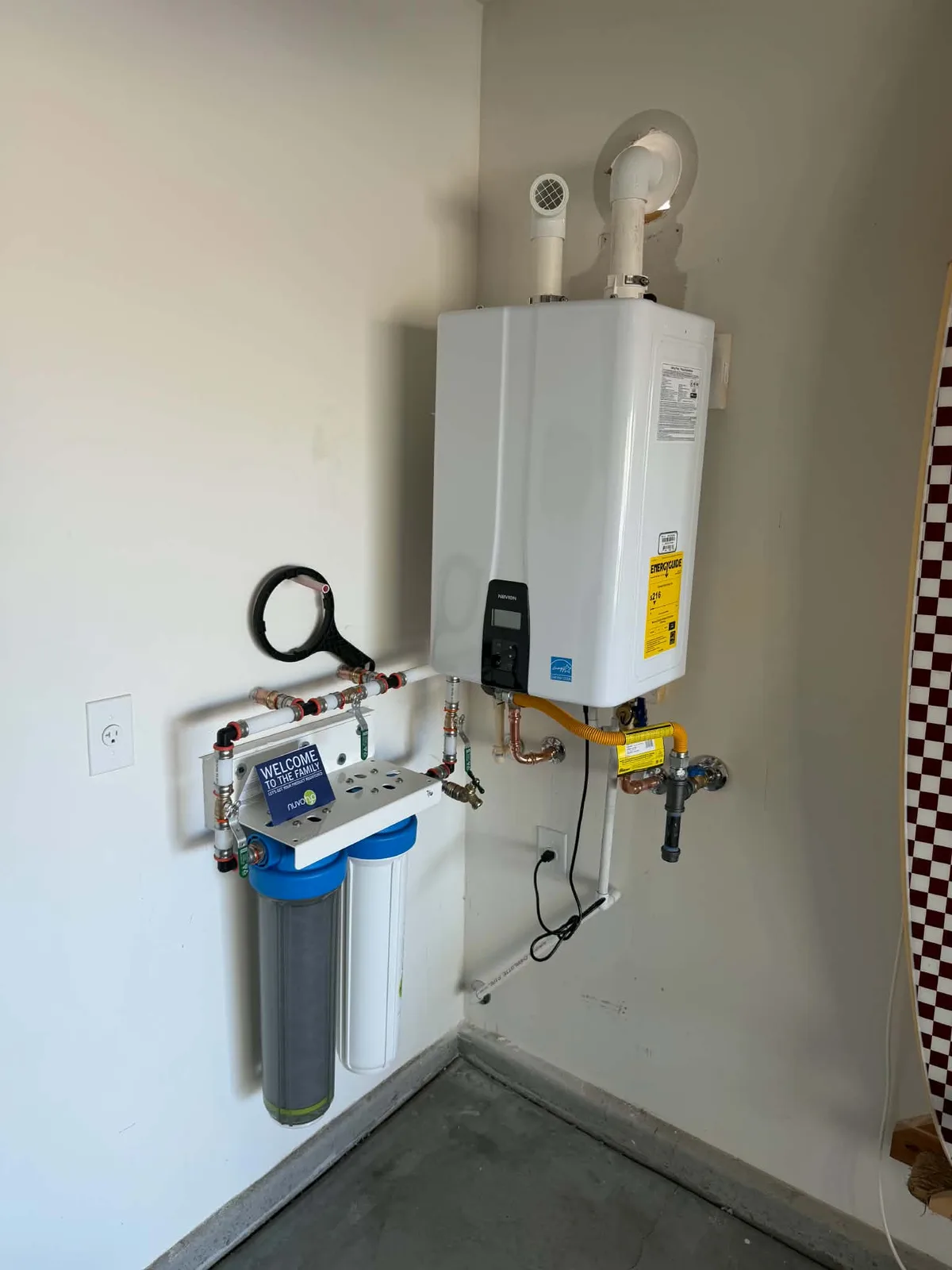
Water heaters can influence both comfort and water use, but they are easy to overlook when the problem seems to be a bill or a leak elsewhere. A unit that cycles oddly, leaks from a fitting, or leaves you with inconsistent hot water can be part of a larger system issue. Sometimes the clue is a small puddle at the base; other times it is a relief valve discharge, rust-related staining, or a gradual decline in performance that makes daily use less predictable.
It is reasonable to suspect the water heater when the hot side behaves differently from the cold side, but homeowners should resist guessing at the cause. Multiple conditions can look similar from the outside. What matters is documenting whether the trouble is constant or intermittent, whether it affects all hot water outlets, and whether the leak appears to be from the heater itself or a nearby connection. That detail helps a technician move efficiently from symptoms to cause.
- Note whether the issue is only on hot water fixtures.
- Small puddles near the heater are not normal.
- Inconsistent hot water can point to system wear or a leak.
Hard water, filtration, and when treatment helps
Regional water in Southern Nevada is described by the Southern Nevada Water Authority as very hard, but hard water does not mean the water is unsafe to drink. It does mean mineral content may leave scale on fixtures, affect the feel of soap, and shorten the life of some plumbing components. If you are choosing treatment, the question is less about alarm and more about goals: better-tasting drinking water, less buildup on fixtures, or protection for appliances and plumbing.
Point-of-use reverse osmosis and whole-home filtration solve different problems. RO is often about drinking and cooking water at a specific tap, while filtration or softening is aimed at broader household impact. The right setup depends on your household’s priorities and existing plumbing. A plumber can help you compare options without assuming every home needs the same system or the same level of treatment.
- Hard water affects buildup and feel, not drinkability by itself.
- RO is for a specific drinking-water point.
- Whole-home treatment serves broader household goals.
Fixtures that waste less and work better
A persistent drip at a faucet or a loose toilet component may seem minor, but fixtures influence both water use and day-to-day comfort. A worn kitchen faucet, a bathroom sink with a weak seal, or a shower valve that never feels quite right can all create frustration and hidden waste. The same is true for disposal or sink issues that affect how the kitchen operates every day.
When homeowners are planning upgrades, the most useful approach is to tie fixture choices to real use patterns. A bathroom remodel, for example, is not just about appearance; it is also a chance to address layout, seals, shutoffs, and future maintenance access. In the kitchen, the right sink or disposal setup should fit how the space is actually used. Good planning reduces nuisance callbacks and gives the new fixtures a better chance of performing well over time.
- A small drip can still matter over time.
- Remodels are a chance to fix access and sealing issues.
- Choose fixtures that match real household use.
What to expect from a plumbing visit, and how to prevent repeat problems
A useful plumbing visit starts with listening. A homeowner can help by describing when the issue began, which fixtures are involved, what sounds or smells changed, and whether the problem is constant or tied to certain times of day. Goodfellas Plumbing serves the Las Vegas valley with residential and commercial plumbing, and the goal is to move from those symptoms to a repair plan that fits the situation. Clear repair options and upfront scope matter because homeowners should know what is being addressed before work is approved.
After the immediate issue is handled, maintenance becomes the best defense against surprise water use. That may include watching toilet behavior, checking under sinks, looking around the water heater, and keeping an eye on drains before they become backups. None of this requires turning the house into a project; it simply means noticing changes early. Small observations often catch the expensive problems while they are still manageable.
- Share symptoms, timing, and affected fixtures.
- Ask for the repair scope before approving work.
- Track changes after repairs so new issues stand out early.
Simple maintenance that helps you spot trouble early
The best maintenance is not complicated. Once in a while, walk through the home and check for damp cabinet bottoms, toilet refills, slow drains, and signs of corrosion around exposed connections. Listen for running water when the house is quiet. Look at the water heater area and around fixtures that get frequent use. These habits are especially helpful when the original concern is rising water use, because they help separate a one-time event from a pattern that keeps coming back.
It also helps to remember that plumbing problems often announce themselves in stages. A drip can become a stain, a slow sink can become a backup, and a toilet that sometimes refills can become a bill that keeps climbing. The point of maintenance is not to predict every failure. It is to notice the small change before it turns into a large one. That mindset is usually more effective than waiting for a dramatic emergency to force the issue.
- Check quiet spaces like cabinets and the heater area.
- Notice sounds, stains, and recurring changes over time.
- Treat small repeats as a signal, not background noise.
Helpful answers
Plumbing questions in North Las Vegas
How can I tell if a higher water bill is from a hidden leak or just normal use?
Start by comparing when the bill changed with what changed at home. A silent toilet leak, dripping faucet, or concealed supply-line leak can raise use without obvious flooding. If the increase is paired with sounds of running water when no fixtures are on, that is a strong clue. If the bill rose after more guests, laundry, or outdoor use, the cause may be different. A plumber can help narrow it down through inspection and testing.
If only one toilet seems suspicious, is that worth calling about?
Yes. Toilets are one of the most common sources of unnoticed water loss, and a single faulty toilet can affect usage enough to stand out. Intermittent refilling, handle sensitivity, or a bowl that seems to move on its own are all worth attention. Even if the problem turns out to be simple, identifying it early can prevent continued waste and reduce the chance of related damage around the fixture.
Do I need filtration or a softener if my water feels hard?
Not necessarily. Hard water can leave scale and affect the way fixtures and soap behave, but it does not mean your water is unsafe to drink. Treatment should match your goals. Some homeowners want better tasting drinking water at one tap, while others want broader scale reduction for the whole home. A plumber can help compare reverse osmosis, filtration, and other options based on how your household actually uses water.
What should I do if I suspect a gas leak around plumbing equipment?
Leave the area right away. Do not try to inspect the source, use switches, or wait for a plumbing callback. From a safe location, call emergency services or your gas utility. Gas concerns need immediate, separate handling from ordinary plumbing repairs because the priority is personal safety. Once the area is declared safe, a plumber can help address any related plumbing equipment or connections.
Where we work
Serving North Las Vegas and the Las Vegas Valley
Goodfellas Plumbing provides service at customer properties. Contact us with your street address, the plumbing issue and any access instructions so we can confirm availability. The geographic reference below represents an area we serve, not a walk-in office or a guaranteed response radius.
More service guides in Nevada
Local reference information
Public references provide geographic or regional water context; they do not imply endorsement of Goodfellas Plumbing.

