
Your local service guide
Good people. Practical solutions.
When plumbing problems interrupt your day, the right next step is not always obvious. Some issues call for immediate shutoff and fast professional help, while others are better handled with a careful diagnosis so you do not replace the wrong part or buy treatment equipment you do not need. Goodfellas Plumbing serves the Las Vegas valley, including Henderson, with residential and commercial plumbing and a 24/7 emergency phone line. Availability is confirmed by phone, and the focus is on clear repair options and an upfront scope before approved work begins.
Water treatment deserves extra care in this area because Southern Nevada Water Authority describes regional water as very hard, but that does not mean every home should get the same solution. A household with spotting on glassware may need something different from a home dealing with appliance scale, chlorine taste concerns, or an older under-sink system that no longer gets used. The best approach is to match equipment to your goals, plumbing layout, and current fixtures instead of making assumptions about any single address.
What to do first when a plumbing problem cannot wait
A true plumbing emergency is less about inconvenience and more about active risk: water spreading into floors or walls, a toilet overflowing and not stopping, a water heater leaking steadily, or a drain backup affecting multiple fixtures. In those moments, the safest first move is usually to stop the water if you can do so quickly. That may mean turning off a nearby fixture stop valve if it works properly or using the main water shutoff if the source is not obvious. Then move towels, baskets, or anything absorbent away from the affected area and take note of which fixtures are involved so you can describe the problem clearly when you call.
Not every urgent problem looks dramatic. A hidden leak can be serious if you hear water running when nothing is on, notice a sudden drop in pressure, or see fresh staining with no clear source. Sewer odors combined with slow drains in more than one area can also point to a larger issue than a simple sink clog. If you ever suspect a gas leak around water-heating equipment or elsewhere, leave the property and call emergency services or the gas utility from a safe location. For plumbing emergencies, Goodfellas Plumbing offers a 24/7 emergency phone line so you can explain what is happening and get direction on the next step.
- Shut off water if it can be done safely and quickly.
- Note whether one fixture or several are affected.
- If gas is suspected, leave first and call emergency services or the gas utility from a safe location.
When a clog is simple and when the drain or sewer needs a closer look
Many drain problems begin the same way: water draining slowly, bubbling sounds, or a smell that lingers near a sink, tub, or floor drain. The difference between a local clog and a bigger drainage issue usually shows up in the pattern. One slow bathroom sink may point to buildup close to that fixture, while a tub and toilet acting up together can suggest a branch line problem. If several fixtures on different parts of the property are affected, the main drain or sewer line becomes more likely. That is why describing the full pattern matters just as much as naming the slow fixture you noticed first.
It is tempting to keep trying plungers or store-bought drain chemicals, but repeated attempts can waste time and sometimes make diagnosis harder. A more useful service visit focuses on where the blockage likely sits, whether buildup is grease, soap residue, paper, food waste, or roots, and whether the line itself may be damaged or holding water improperly. Clearing a stoppage is one goal; understanding why it happened is what helps reduce repeat calls. In Henderson homes and businesses alike, the best drain work is practical and evidence-based rather than a one-size-fits-all guess.
- One affected fixture often means a local problem.
- Several fixtures backing up can point to a larger line issue.
- Repeated chemical use is usually not the best long-term answer.
Choosing filtration, softening, or reverse osmosis based on actual household goals
Water treatment decisions should start with what you want to improve. Some households mainly want less spotting on fixtures and glassware. Others care more about reducing scale on appliances, improving taste at one drinking-water tap, or replacing older equipment that has become hard to maintain. Because regional water is often described as very hard, scale control is a common concern, but that does not automatically mean every home needs the same whole-house setup. Plumbing layout, space, drain access for certain systems, filter replacement habits, and how much treated water you really use all matter when comparing options.
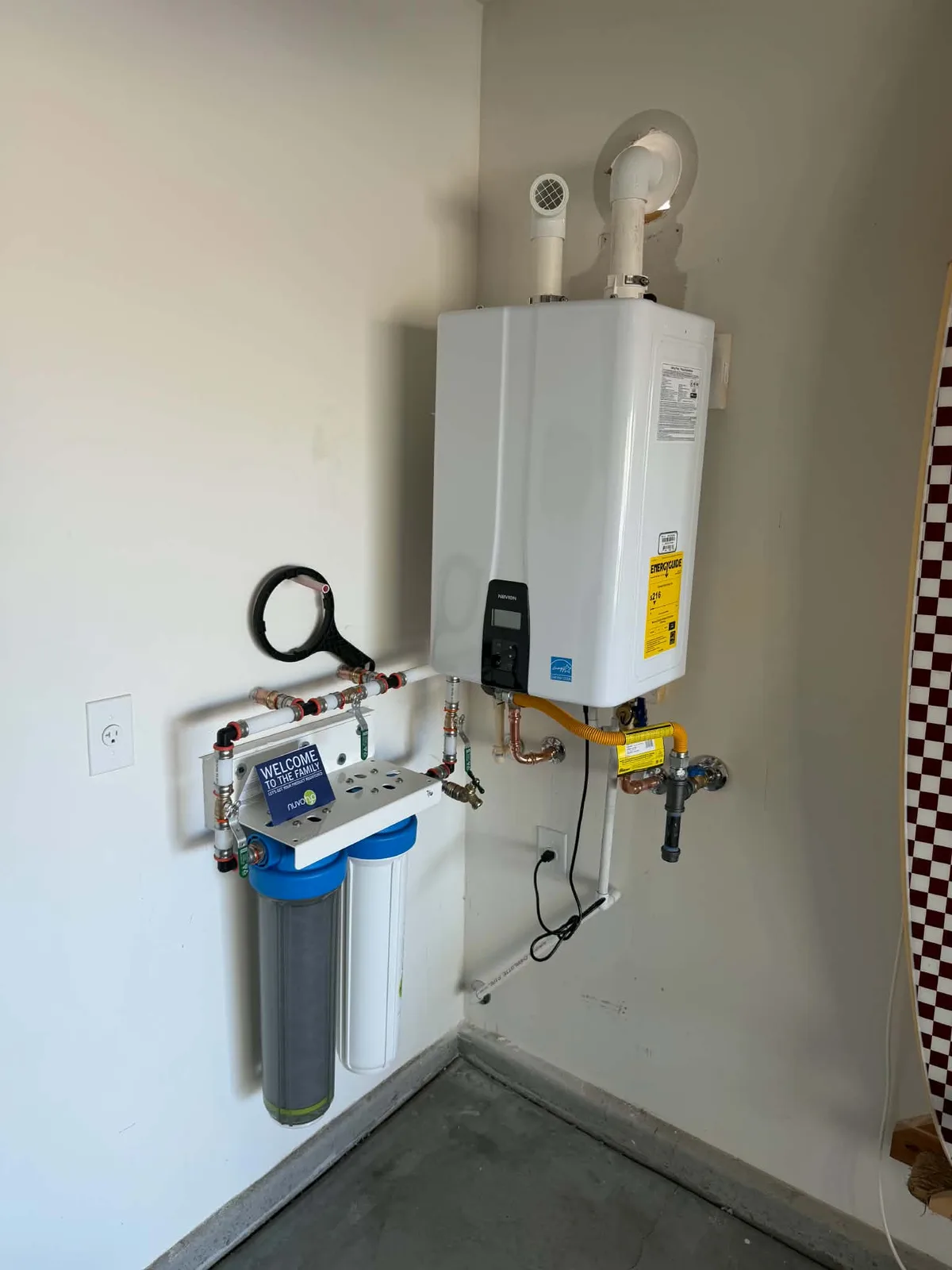
Whole-house filtration, softening, and under-sink reverse osmosis systems solve different problems. A softener is usually aimed at hardness-related scale and soap performance. Filtration can target sediment or other aesthetic concerns depending on the system selected. Reverse osmosis is commonly chosen for a dedicated drinking-water point, often at the kitchen sink, when homeowners want a more refined point-of-use option. The smartest recommendation is one that works with your existing equipment instead of forcing unnecessary replacement. If you already have treatment gear, a service visit should identify whether it needs maintenance, reconfiguration, or replacement before anyone assumes a brand-new system is the only answer.
- Start with goals: scale, taste, spotting, or appliance protection.
- Whole-house systems and point-of-use systems do different jobs.
- Existing equipment may need service, not automatic replacement.
A clear next step
Not sure where to start?
Describe the symptoms. We’ll help you arrange the right visit.
Leaks, poor pressure, and the point where repiping becomes worth discussing
A plumbing system can feel unreliable long before a pipe fails openly. Pressure that changes from room to room, frequent fixture leaks, repeated slab or wall leak concerns, and discolored water after periods of non-use can all signal that the problem is broader than one faucet cartridge or supply line. Sometimes the issue is isolated and repairable at a single connection. Other times, multiple small failures begin adding up into repeated service calls, wall access, and patchwork repairs that never fully restore confidence in the system. The key is distinguishing between an isolated leak and a pattern of deterioration.
Repiping is a big decision, so it should be discussed carefully rather than used as a default recommendation. A helpful evaluation looks at where leaks have occurred, what pipe material is present, how accessible the lines are, and whether pressure complaints are tied to fixtures, valves, buildup, or the distribution piping itself. If a partial repipe makes sense, that should be explained as clearly as a full-home option. Homeowners usually benefit from understanding the tradeoff between another repair now and the likelihood of continued disruptions later. Clear scope matters here because the value is in long-term reliability, not simply replacing pipe for its own sake.
- One leak does not always mean the whole system is failing.
- Recurring leaks and uneven pressure deserve a broader evaluation.
- Partial repipes can be worth considering in the right layout.
Water heater decisions should fit usage, fuel type, and the condition of the current system
Hot water problems are often described too simply. No hot water at all, water that runs out too quickly, inconsistent temperature, unusual noises, or visible leaking each point in different directions. Sometimes the solution is a straightforward repair to restore service. In other cases, the age and condition of the heater make replacement more sensible than putting money into a unit with multiple concerns. The best starting point is not the brand name or tank size alone but how the household actually uses hot water and what the current equipment is failing to do.
A good recommendation also takes installation realities into account. Existing venting, available space, plumbing connections, and your daily demand all affect whether repairing the current unit or changing equipment type is practical. If water treatment is already present, that should be part of the conversation because scale and maintenance history can influence heater performance over time. Homeowners are often best served by options explained in plain language: restore the current heater if the fix is sensible, or compare replacement paths based on reliability, recovery, and how long you plan to stay in the property. That kind of clarity is more useful than a sales-heavy pitch.
- Symptoms matter: no hot water, short supply, leaks, and noise mean different things.
- Replacement should reflect usage and existing installation conditions.
- Water treatment history can be relevant to heater performance.
Upgrading fixtures or remodeling without creating preventable plumbing headaches
Fixture work looks simple on the surface, but good results depend on more than style. A new faucet, toilet, disposal, or sink should match the existing plumbing configuration, available shutoffs, drain alignment, and how the space is used every day. That matters even more during a bathroom or kitchen update, when design changes can affect supply placement, drain routing, venting implications, and appliance clearances. The goal is not just a cleaner look on day one but a setup that remains easy to use and service later.
Remodel-related plumbing choices are also a chance to correct long-standing annoyances. A poorly placed shutoff, a sink that splashes because of faucet reach, or a toilet that never performed well may be worth addressing while access is available. At the same time, not every project needs the plumbing fully reworked. A practical assessment separates cosmetic upgrades from changes that actually improve function or reliability. Homeowners usually appreciate a plan that protects what already works, updates what does not, and avoids hidden compromises that show up only after walls are closed and fixtures are in use.
- New fixtures should fit the existing plumbing, not just the countertop cutout.
- Remodels are a good time to fix long-standing functional annoyances.
- Not every upgrade requires a full plumbing redesign.
What a helpful plumbing service visit should feel like
A useful plumbing appointment starts with listening, because the small details you notice at home often narrow the diagnosis quickly. When did the problem begin? Is it constant or intermittent? Does it affect one fixture or several? Has any recent work been done nearby? Those answers shape the inspection and help avoid jumping straight to the most expensive possibility. Goodfellas Plumbing emphasizes clear repair options and an upfront scope before approved work begins, which is especially important when a symptom could have more than one cause.
For homeowners, a good experience usually means understanding both the immediate fix and the bigger picture. If a drain is cleared, you should know whether it looked like ordinary buildup or whether the line may need more attention later. If a leak is repaired, you should know whether anything around it suggests future risk. If water treatment is discussed, the explanation should connect directly to your priorities rather than broad claims about what every property supposedly needs. Plumbing service is easier to trust when the recommendation matches the evidence found on site and when the next step is explained in plain terms.
- Expect questions that narrow the problem before work is recommended.
- A clear scope helps separate urgent repair from optional follow-up.
- Recommendations should connect to what was actually found on site.
Routine plumbing care that helps systems last longer and problems stay smaller
Most plumbing maintenance is not about chasing perfection. It is about catching manageable issues before they become disruptive. Periodic checks under sinks, around toilets, at hose bibs, and near the water heater can reveal slow drips, corrosion, swelling supply lines, or staining that deserves attention. Drains benefit from good everyday habits too: noticing slower flow early, avoiding misuse of disposals, and paying attention if more than one fixture starts acting differently at the same time. With water treatment equipment, routine service matters because neglected filters or aging components can reduce performance and lead homeowners to assume the entire system has failed.
Maintenance planning should fit the property rather than following a generic checklist. A home with older shutoff valves may need a different priority list than one with newer fixtures but ongoing scale concerns. A business may care more about minimizing interruptions, while a homeowner may focus on water heater reliability or preserving recently updated finishes. The common thread is simple: small signs are easier to address than fully developed failures. When routine service is tied to your actual plumbing setup and the equipment already installed, it is more likely to prevent repeat problems and less likely to lead to unnecessary replacements.
- Watch for small drips, stains, corrosion, or changing drain behavior.
- Treatment systems need routine service to keep doing their job.
- Maintenance priorities should reflect the specific property and equipment.
Helpful answers
Plumbing questions in Henderson
Do I need a water softener in Henderson, or would filtration or reverse osmosis be enough?
It depends on what you want to improve. If your main concern is hardness-related scale, spotting, or soap performance, softening is often the relevant conversation. If you are focused on drinking water at one sink, reverse osmosis may be a better point-of-use fit. Whole-house filtration serves different goals. The best choice comes from matching treatment to your priorities, plumbing layout, and any equipment already installed.
How can I tell whether I have a simple drain clog or a sewer line problem?
The pattern is the biggest clue. One slow sink or tub often suggests a local blockage close to that fixture. If a toilet, tub, and sink start backing up together, or if multiple fixtures in different areas drain poorly, the issue may be farther down the line. Gurgling, recurring backups, or sewage odors can also suggest a larger drainage problem that needs a more complete diagnosis.
When is repairing a leak enough, and when should I ask about repiping?
A single accessible leak with otherwise stable plumbing may only need a targeted repair. Repiping becomes worth discussing when leaks recur in different places, pressure is inconsistent throughout the property, or past repairs are turning into a patchwork pattern. The right question is not whether repiping sounds big, but whether repeated repairs are still the most sensible long-term path for your plumbing system.
What should I have ready when I call for plumbing service?
It helps to describe the symptom, when it started, whether it is getting worse, and which fixtures are affected. If water is actively leaking, note whether you have been able to shut it off. For drain issues, say whether one fixture or several are involved. For water treatment concerns, mention any existing softener, filter, or reverse osmosis system. Those details make it easier to guide the next step and set expectations for the visit.
Where we work
Serving Henderson and the Las Vegas Valley
Goodfellas Plumbing provides service at customer properties. Contact us with your street address, the plumbing issue and any access instructions so we can confirm availability. The geographic reference below represents an area we serve, not a walk-in office or a guaranteed response radius.
More service guides in Nevada
Local reference information
Public references provide geographic or regional water context; they do not imply endorsement of Goodfellas Plumbing.

