
Your local service guide
Good people. Practical solutions.
Plumbing problems rarely announce themselves at a convenient time. A slow leak behind a wall, a drain that hesitates, or a water heater that starts acting up can all look minor at first, then become disruptive once they spread into other parts of the home. The smartest response is usually not a last-minute scramble, but a routine checkup that finds wear before it becomes damage.
For Boulder City property owners, another useful habit is learning where the line sits between a public utility issue and a private plumbing issue. Low pressure, cloudy water, or a sudden service interruption may begin outside the home, while many leaks, clogs, fixture failures, and hot water problems belong to the building’s own plumbing. That distinction helps you call the right place first and move faster when a repair is actually needed.
When a plumbing problem needs immediate attention
Some problems are urgent because they can damage the property quickly, and others are urgent because they affect health or safety. A burst line, active ceiling drip, sewage backup, or overflowing toilet should be treated as a time-sensitive plumbing problem. If water is spreading, shut off the nearest safe water source if you know it, then get help moving the issue toward control. If you suspect a gas leak near a water heater or appliance, leave the area and call emergency services or the gas utility from a safe location instead of waiting for a plumbing callback.
Not every sudden plumbing concern means the same response. A pressure change, rusty color, or a cold shower may need service, but it does not always require panic. If the issue affects only one fixture or one section of the property, that often points to a local repair. If the problem appears across the whole building, it could involve a broader supply or system concern that deserves a careful diagnosis before parts are replaced. Goodfellas Plumbing serves Boulder City from the Las Vegas valley with 24/7 emergency phone availability, and repair options can be discussed after the problem is identified.
The key is to act on the symptoms without guessing at the cause. The safest first step is to reduce water damage and avoid using the affected fixture until the source is clearer. That approach preserves options and prevents a manageable issue from becoming a more expensive one.
- Treat active leaks, sewage backups, and overflowing fixtures as urgent.
- Leave suspected gas leaks and call emergency services or the gas utility from a safe place.
- Shared-pressure or whole-building issues may point beyond a single fixture.
Slow drains, recurring clogs, and sewer line warning signs
A drain that clears once and then slows again is often trying to tell you something. Hair, soap residue, grease, food debris, and other buildup can narrow a line over time, and a single deep clog may be hiding farther down the branch or in the main line. If several fixtures are sluggish at once, the problem may be larger than a sink trap or shower drain. That is a good time to ask for a diagnosis rather than trying to force the issue with repeated short-term fixes.
Sewer concerns deserve special attention because they can affect multiple fixtures at the same time. Gurgling sounds, sewage odors, or water backing up into a lower drain can indicate that the main line is struggling. Those symptoms do not automatically mean a full line replacement, but they do mean the system should be inspected carefully so the root cause can be identified. A proper service call can separate a local clog from a line issue and help prevent repeated blockages.
Routine drain care is worth more than emergency drain care. When a system starts slowing down, a maintenance visit can often reveal the pattern behind the problem, which is especially useful in kitchens, bathrooms, and shared commercial spaces where daily use is heavy.
- One slow fixture often differs from several slow fixtures.
- Gurgling and odors can point to a larger drain or sewer issue.
- Early attention is usually easier than repeated emergency clears.
Leaks, weak pressure, and when a repipe may make sense
Not every leak is obvious. Some show up as a stain, a swollen cabinet panel, or a faint drip sound inside a wall. Others reveal themselves through a drop in pressure, a fixture that runs unevenly, or a meter that seems to move when no water is being used. Those clues are important because they suggest the plumbing system is losing water somewhere, even if the leak is not yet visible. A careful leak evaluation can help locate the problem before it spreads.
Pressure changes need a measured response. A whole-home pressure issue may come from the supply side, the home’s pressure control, or buildup within the private plumbing. That is why the best repair plan starts with testing and observation, not assumptions. If a property has repeated leaks in multiple areas, aging piping, or frequent patch repairs, a repipe may become a practical long-term solution. That decision should be based on the condition of the system and the pattern of failures, not on a single isolated symptom.
Homeowners sometimes wait until a leak is dramatic before calling, but smaller signs are often more informative. A maintenance visit can help confirm whether the issue is a single fitting, a fixture connection, or a wider system concern that deserves a larger repair conversation.
- Damp spots and cabinet damage can be early leak clues.
- Repeated pressure swings deserve testing, not guesswork.
- A repipe is usually considered after patterns of failure appear.
A clear next step
Not sure where to start?
Describe the symptoms. We’ll help you arrange the right visit.
Hot water problems and what they often point to
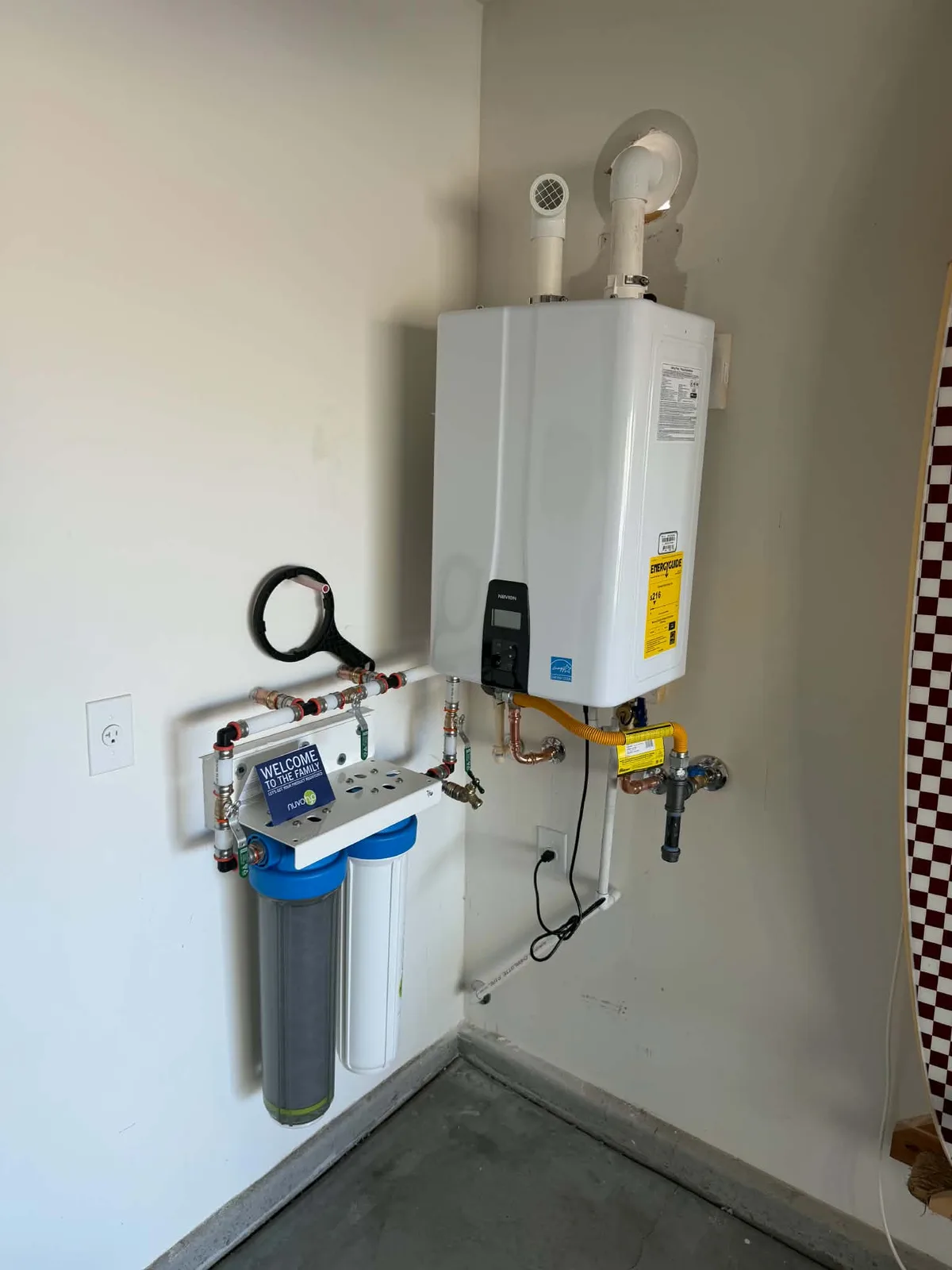
Hot water issues tend to be inconvenient first and expensive later if they are ignored. A water heater that delivers lukewarm water, runs out too quickly, or produces inconsistent temperatures may be signaling sediment buildup, a failing component, or a system that is no longer keeping up with demand. The right response is to assess the condition of the unit and the household or business usage pattern before deciding on repair or replacement.
Different symptoms suggest different concerns. If the water heater is noisy, takes longer than usual to recover, or causes temperature swings across fixtures, it may need service even if it still produces some hot water. If the system is leaking, corroded, or no longer dependable, it may be time to discuss replacement options. For owners of commercial or busy residential properties, planning ahead matters because a water heater that gets checked regularly is less likely to fail at the wrong moment.
This is one of the clearest reasons to schedule routine maintenance instead of waiting for a full outage. A seasonal or periodic check can help identify whether the unit is simply worn, undersized for the current demand, or ready for a targeted repair.
- Inconsistent temperatures can signal component or capacity issues.
- Noise and slow recovery often mean the heater needs attention.
- A leaking or corroded unit should be evaluated promptly.
Filtering, softening, and reverse osmosis for local water concerns
Many property owners notice that regional water can leave mineral scale on fixtures or affect the way dishes, laundry, and shower surfaces look and feel. Southern Nevada Water Authority describes regional water as very hard, but that does not mean every address has identical supply or that drinking water is unsafe. The right approach is to check the condition of the home’s own plumbing and then choose treatment based on the actual water and the owner’s goals.
Filtration, softening, and reverse osmosis solve different problems. A whole-home filter can help with sediment or taste concerns depending on the application. A softener is designed to reduce scale-related effects within the plumbing and on fixtures. Reverse osmosis is often used at a single tap for drinking and cooking water. A good recommendation starts with the question you are trying to answer: improve taste, protect fixtures, reduce scale, or create a dedicated point-of-use drinking system.
Treatment should fit the property, not the other way around. A system that is oversized, undersized, or aimed at the wrong concern can leave owners disappointed. That is why it helps to talk through water quality goals during a service visit instead of assuming one device will solve every issue.
- Softening and filtration do different jobs.
- Reverse osmosis is commonly used for drinking-water points.
- Treatment choices should match the property’s actual needs.
Fixture upgrades, kitchen and bath changes, and practical remodeling support
Many plumbing calls start as annoyance and end as an upgrade decision. A toilet that runs too often, a faucet that no longer closes cleanly, or a sink that feels outdated can be repaired or replaced depending on its condition. When homeowners are planning a kitchen or bath refresh, plumbing is often the hidden part that determines whether the new space works smoothly after the cosmetic work is done. Coordinating the plumbing early helps avoid surprises once walls or cabinets are already open.
Fixture work should be based on function, fit, and future maintenance. A better faucet is not helpful if the shutoff valves are unreliable, and a new sink is less useful if the layout creates splash, clearance, or drain issues. In remodeling projects, it is often worth discussing the plumbing goals before the finish materials are selected. That gives the owner a chance to plan around current use, accessibility, and long-term durability rather than just replacing what is visible.
For smaller updates, even a single fixture change can make a meaningful difference. A repair visit can often clarify whether the existing part is worth keeping or whether replacement would save trouble later. The goal is a system that serves the space well, not just one that looks new for a moment.
- Toilets, faucets, and sinks can often be repaired or replaced selectively.
- Plumbing planning should happen before finish work is finalized.
- Function and serviceability matter as much as appearance.
What a service visit should look like from start to finish
A good plumbing visit begins with a clear description of the problem and ends with a clear repair plan. The homeowner or property manager should be able to explain what changed, when it started, and which fixtures are affected. From there, the technician should diagnose the issue, explain the likely cause, and outline repair options before work is approved. That process matters because it helps the customer understand whether the problem is isolated, recurring, or part of a broader system concern.
In practice, that means you should expect a focused conversation before parts are installed. A diagnosis for a leak, drain issue, water heater problem, or fixture failure may involve testing and observation, not just a quick visual look. Goodfellas Plumbing emphasizes clear repair options and upfront scope before approved work, which is especially helpful when the issue may involve several possible causes. For Boulder City owners, that can make it easier to compare a basic fix with a more durable solution.
If a problem appears to involve more than one system, ask for the order of operations. Sometimes it is smarter to address the source issue first and decide on related work after the system is stable. That keeps repairs organized and helps avoid unnecessary replacement.
- Expect diagnosis before repair approval.
- Ask how the issue was traced and what options exist.
- Related problems may need to be staged in the right order.
Maintenance that helps prevent expensive surprises
Routine maintenance is the least dramatic part of plumbing, but it is often the most valuable. A periodic check can catch small leaks, worn parts, slow drains, pressure concerns, and water heater decline before they create damage or disruption. That is especially useful for owners who have already experienced one plumbing problem and want to reduce the odds of another one happening in the same system. Preventive attention is usually easier to schedule than an emergency response.
Maintenance is also the best way to separate normal wear from a developing failure. Some issues build slowly: a faucet starts to seep, a toilet runs more often, a drain gets noisier, or a heater takes longer to recover. Each of those can be a warning sign if it becomes more frequent. A service visit can set a baseline so the owner knows what is changing and what is still functioning as it should. That makes future decisions more confident and less reactive.
For homes and businesses alike, routine care is about control. Instead of waiting for a weekend backup or a sudden loss of hot water, you can plan work on your schedule and choose the repair that fits the condition of the plumbing.
- Check systems before they fail, not after damage spreads.
- Baselines help reveal slow changes in performance.
- Planned maintenance is often less disruptive than emergency work.
Helpful answers
Plumbing questions in Boulder City
How can I tell whether a plumbing issue is mine or the utility’s?
A problem that affects only one fixture, one branch, or the inside of the building is more likely to be private plumbing. A widespread interruption, especially one that affects many properties at once, may point to the utility side. Low pressure or discoloration can also be temporary. If you are unsure, note which fixtures are affected and whether the issue is isolated or whole-home before you call for service.
Should I call right away for a slow drain?
A single slow drain is usually less urgent than an overflow or backup, but it should not be ignored if it keeps returning. Recurring clogs can indicate buildup or a deeper line issue. If multiple fixtures are slow at the same time, or if you notice odors, gurgling, or water backing up elsewhere, that is a stronger sign that the problem extends beyond one drain.
When does a water heater need more than a simple repair?
If the heater has repeat problems, visible corrosion, leaking, or poor recovery even after service, replacement may make more sense than another patch. Age alone is not the only factor; condition and performance matter most. A technician can compare the cost and reliability of repair versus replacement after inspecting the unit and learning how much hot water the property actually uses.
Why is routine maintenance worth scheduling before something breaks?
Preventive maintenance often finds the early signs that owners do not notice day to day: small leaks, pressure changes, slow drainage, or a water heater that is starting to struggle. Addressing those issues early is usually less disruptive than responding after water damage, a backup, or a full loss of service. It also gives you a clearer plan for future repairs instead of reacting in an emergency.
Where we work
Serving Boulder City and the Las Vegas Valley
Goodfellas Plumbing provides service at customer properties. Contact us with your street address, the plumbing issue and any access instructions so we can confirm availability. The geographic reference below represents an area we serve, not a walk-in office or a guaranteed response radius.
More service guides in Nevada
Local reference information
Public references provide geographic or regional water context; they do not imply endorsement of Goodfellas Plumbing.

