
Your local service guide
Good people. Practical solutions.
If you are looking for a plumber in Enterprise, NV, the most useful starting point is not a sales pitch. It is a plan: what to do first in a plumbing emergency, what symptoms matter, which repairs can wait a day, and when a larger update makes sense instead of another patch. In many homes and commercial spaces, plumbing decisions connect to layout as much as the fixture itself. That is especially true with tankless water heaters, where demand, venting path, gas line capacity, condensate handling, and service access all affect whether the installation is practical.
Goodfellas Plumbing serves the Las Vegas valley and handles residential and commercial plumbing with 24/7 emergency phone support. Availability is confirmed by phone, and the goal of a visit is straightforward: identify the problem, explain repair options, and provide an upfront scope before approved work begins. The sections below are designed to help you prepare for a call, understand what may be inspected on site, and make better decisions about drains, leaks, water quality, fixtures, and maintenance in Enterprise.
What to do first when a plumbing problem turns urgent
An urgent plumbing issue is easier to manage when you separate immediate risk from the repair itself. Active overflow, a fixture backing up into living areas, a burst supply line, or water reaching finishes and contents all deserve fast action. If you can do so safely, shut off the local fixture valve or the main water supply to limit damage. Move towels, rugs, stored items, and anything absorbent out of the wet area. Take a quick photo if it helps document what changed before cleanup starts, then focus on stopping spread rather than finding a permanent fix on your own.
A different kind of emergency involves fuel gas. If you suspect a gas leak near a water heater or elsewhere, leave the building right away and call emergency services or the gas utility from a safe location. Do not remain inside waiting for a plumbing callback. For non-gas emergencies, be ready to describe where the problem is, whether the water is clean or contaminated, whether one fixture or several are affected, and whether shutting off the main changed anything. Those details help determine whether the likely issue is a localized fixture failure, a branch drain problem, or something broader that may involve the building drain or sewer line.
- Shut off water if it is safe and you know the valve location.
- Keep people away from contaminated backup water.
- For suspected gas leaks, leave and call emergency services or the gas utility from a safe place.
How to think about clogs, recurring backups, and sewer concerns
A slow sink is annoying, but the pattern tells more than the speed. If one bathroom sink drains poorly while the tub and toilet are normal, the problem is usually close to that fixture. If multiple fixtures on the same side of the building slow down together, or if a toilet bubbles when another fixture drains, the issue may be deeper in the branch line or main drain. Kitchen backups often involve grease and food residue, while shower and lavatory clogs commonly build from soap and hair. The useful question is not just where water stops moving, but where symptoms appear together.
Recurring backups deserve more than repeated temporary clearing. A line that clogs again after a short time may have heavy residue, scale buildup, root intrusion, a section with poor fall, or damage that catches debris. During a service visit, the plumber may recommend a more thorough clearing approach, inspection, or discussion of whether the problem points toward the sewer rather than the fixture. If wastewater has backed up into tubs or floor drains, avoid running more fixtures until the cause is identified. That reduces the chance of pushing more water into the same low point and making cleanup harder.
- One fixture affected often means a local clog.
- Several fixtures affected at once suggests a shared drain issue.
- Repeat clogs may signal buildup or line defects, not bad luck.
Leaks, pressure swings, and when repair gives way to replacement
Leaks do not always announce themselves with a visible puddle. You may notice a damp cabinet floor, staining at a wall or ceiling, a musty smell near a plumbing wall, or a water bill that changes without a clear reason. Pressure problems can also be clues. Water that surges, drops during simultaneous use, or changes noticeably at different fixtures may point toward valve issues, supply restrictions, or hidden leakage. The most practical first step is to note whether the symptom affects one fixture, one room, or the whole building. That pattern shapes the troubleshooting path.
A single accessible leak can often be repaired directly, but repeated pinhole leaks, widespread corrosion signs, or multiple weak spots in older supply piping may make piecemeal work less sensible over time. That is where a repipe discussion becomes less about chasing one wet spot and more about reliability, access, wall impact, and how to phase work with the least disruption. An honest evaluation should compare targeted repair with larger replacement rather than forcing one answer. In some cases, addressing pressure concerns and vulnerable sections together can reduce repeat visits and help fixtures perform more consistently.
- Document where the symptom appears and when it happens.
- Ask whether the problem seems isolated or system-wide.
- A repipe conversation is about long-term reliability, not just today’s leak.
A clear next step
Not sure where to start?
Describe the symptoms. We’ll help you arrange the right visit.
Tankless feasibility in Enterprise starts with demand, venting, and access
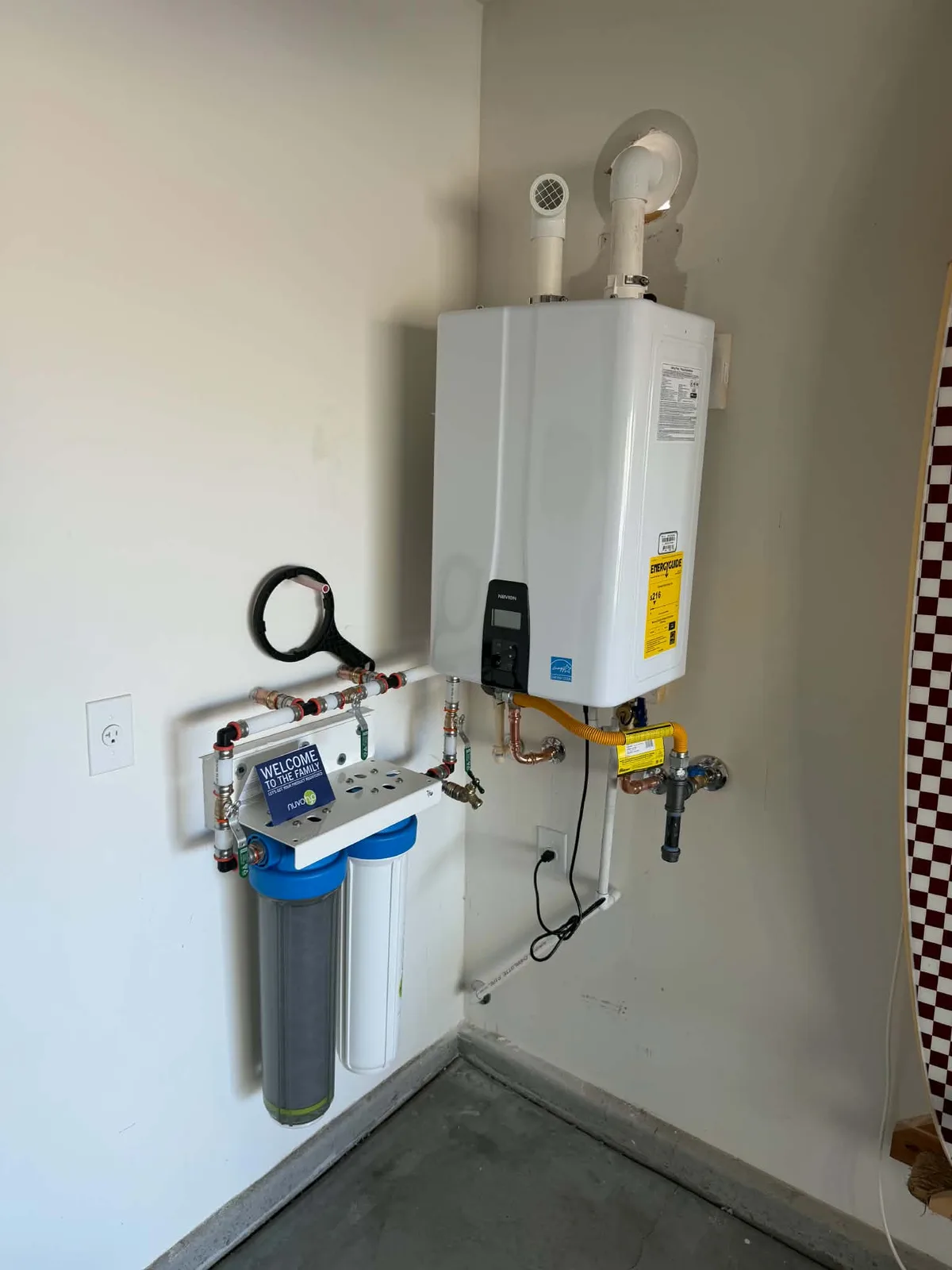
Tankless water heaters are appealing because they free up floor area, avoid storing a large volume of heated water, and can fit well in a utility room plan when conditions are right. But the useful question is not whether tankless is popular. It is whether the building can support it. Feasibility depends on expected hot water demand, how many fixtures may call for hot water at the same time, the available fuel and venting route, and whether there is enough working space for installation and future service. Layout matters: a compact utility room can be an advantage, but only if combustion air, vent path, drainage needs, and service clearances are workable.
That does not mean a standard tank heater is the wrong choice. In some properties, a like-for-like replacement is the cleaner solution because it fits the existing setup better or avoids larger changes to venting and supply connections. In others, moving to tankless may make sense as part of a broader remodel or utility-room redesign. If you are comparing options, expect the visit to focus on where the unit would go, how maintenance access would work, and whether multiple bathrooms, laundry, kitchen use, or commercial demand patterns change sizing considerations. The point is to match the equipment to the real use pattern rather than assume savings or performance without checking the installation conditions.
- Demand pattern matters more than trendiness.
- Venting route and service access can decide feasibility.
- A utility-room layout review helps avoid surprises later.
Hard water symptoms and choosing between whole-home treatment and drinking water filtration
In the Las Vegas valley, regional water is often described as very hard, but conditions can still vary by address and any existing treatment setup. Hardness usually shows up as scale on fixtures, spotting on glass, mineral residue on showerheads, and added wear on appliances that heat water. Those are convenience and maintenance issues more than a sign that tap water is unsafe to drink. The better question is what you want the system to improve: reduced scale throughout the building, better tasting drinking water at one tap, or both. Different goals point to different equipment.
Whole-home filtration or softening is aimed at water used across the property, while reverse osmosis is commonly chosen for drinking and cooking water at a sink. A good recommendation should account for where you have room to place equipment, how accessible the shutoff and drain connections are, and whether the utility-room or garage layout supports future service. If you are already considering a water heater replacement, it can also be helpful to discuss water treatment in the same visit, since scale management and equipment planning often overlap. The right setup is the one that addresses your actual priorities without overcomplicating the plumbing around it.
- Scale control and drinking water taste are separate goals.
- Hard water does not automatically mean unsafe water.
- Equipment placement and access matter as much as the equipment choice.
Fixture upgrades and remodel plumbing that work with the space you have
A fixture replacement seems simple until the surrounding conditions push it beyond a swap. An older shutoff that no longer closes smoothly, a drain alignment that is slightly off, a vanity with limited access, or a wall-hung faucet plan that changes rough-in locations can all affect the scope. Kitchens and baths are where people most often feel the difference between basic repair and thoughtful plumbing planning. A new sink, toilet, disposal, shower valve, or faucet should not only look right but function cleanly with the existing drain, vent, and water connections.
Remodel plumbing becomes more valuable when it prevents compromise later. For example, shifting fixture locations, adding a pot filler, upgrading a shower layout, or creating better access around a utility room may influence whether certain products fit at all. If tankless is on your wish list, a remodel is often the right time to talk through wall space, vent path, and service access rather than trying to force those decisions after finishes are complete. The best outcome is a layout that supports reliable use and future maintenance, instead of hiding every connection where the next repair becomes needlessly invasive.
- Replacement work may uncover access or alignment issues.
- Remodel timing is ideal for bigger layout decisions.
- Future service access should be part of the design, not an afterthought.
What a service visit should clarify before any work is approved
A productive plumbing visit should leave you with more than a diagnosis. It should explain what was observed, what the likely causes are, what repair paths make sense, and what tradeoffs come with each option. Goodfellas Plumbing provides clear repair options and an upfront scope before approved work begins, which is especially helpful when the symptom could have more than one cause. A drain problem might need simple clearing, more extensive cleaning, or inspection. A water heater conversation might stay focused on repair or branch into whether replacement, relocation, or tankless conversion is worth discussing.
You can make the visit more useful by sharing a concise timeline. Note when the problem started, whether it is constant or intermittent, what has changed recently, and whether any other fixtures seem connected. If access is tight, clear stored items from under sinks, around the water heater, and near the main shutoff if possible. For commercial spaces or busy households, mention scheduling limits early so the scope can be discussed realistically. The goal is not to rush to the first possible fix. It is to understand the condition of the plumbing involved, approve work you actually want done, and avoid surprises once the repair is underway.
- Expect explanation, options, and an upfront scope.
- Clear access can speed diagnosis.
- Share symptom patterns, not just the worst moment.
Maintenance habits that reduce disruption without turning you into the plumber
The most helpful maintenance is usually simple observation. Notice which drains have become gradually slower, whether a toilet starts running longer than normal, whether a disposal sounds different, or whether a water heater area shows rust staining or moisture. Periodic visual checks under sinks and around exposed valves can catch minor drips before they affect cabinets or flooring. For drains, the practical goal is to reduce what goes in: grease, fibrous food scraps, wipes, and heavy hair load are common contributors to preventable trouble. These habits are not glamorous, but they often matter more than last-minute emergency reaction.
Maintenance also means planning ahead for older or more heavily used plumbing. If you have had repeated drain stoppages, repeated fixture leaks, or a water heater nearing the stage where performance is changing, it is reasonable to schedule evaluation before failure picks the timing for you. The same goes for homes or buildings where a utility-room layout makes access difficult; a small redesign during planned work can pay off later in easier service. Regular attention does not guarantee that nothing fails, but it does improve the odds that when something does go wrong, you already know the shutoff locations, the symptom history, and which decisions are worth revisiting.
- Watch for small pattern changes before they become emergencies.
- Be cautious about what enters drains and disposals.
- Plan evaluations before access or age-related issues become urgent.
Helpful answers
Plumbing questions in Enterprise
Is tankless a practical option for every home in Enterprise?
Not always. Tankless feasibility depends on the hot water demand in the building, the venting path, fuel supply considerations, condensate handling where applicable, and enough room to install and service the unit properly. A compact utility room is not automatically a problem, but access can be. The most useful assessment looks at simultaneous use, placement options, and what changes would be required, rather than assuming tankless is automatically better.
What should I do if several drains back up at the same time?
Stop using water in the affected area if possible, especially if tubs, showers, or floor drains are involved. Multiple fixtures acting up together often point to a shared drain or sewer issue rather than a simple sink clog. Make note of which fixtures are affected and whether toilets gurgle or rise when other fixtures drain. That symptom pattern helps narrow the problem when you call for service and can reduce unnecessary trial-and-error.
Does hard water mean I need both a softener and reverse osmosis?
Not necessarily. It depends on what you want to improve. If your main concern is scale on fixtures, spotting, and mineral buildup affecting the plumbing throughout the property, a whole-home treatment approach may be the main discussion. If your priority is drinking and cooking water at one tap, reverse osmosis may be the better fit. Some properties benefit from both, but the right recommendation should start with your goals and layout.
How can I prepare for a plumbing service visit?
Gather a short history of the issue: when it started, whether it is intermittent, what fixtures are involved, and any recent changes such as remodeling, appliance replacement, or unusual usage. Clear access under sinks, around toilets, and near the water heater or main shutoff where practical. If the problem is a leak, note whether shutting off a local valve changed it. Good information and clear access help make the visit more efficient and the repair options more specific.
Where we work
Serving Enterprise and the Las Vegas Valley
Goodfellas Plumbing provides service at customer properties. Contact us with your street address, the plumbing issue and any access instructions so we can confirm availability. The geographic reference below represents an area we serve, not a walk-in office or a guaranteed response radius.
More service guides in Nevada
Local reference information
Public references provide geographic or regional water context; they do not imply endorsement of Goodfellas Plumbing.

